The Chemistry Behind Stubborn Stains and Odors
Eliminating stubborn laundry problems requires matching the treatment to the specific molecular bond rather than simply increasing detergent. Traditional laundry soap excels at suspending organic dirt and light oils, but it fails completely against oxidized metals, set proteins, fungal spores, and oily smoke resins. When confronted with orange rust rings or musty mildew, pouring in extra standard detergent usually leaves behind residues that trap the discoloration deeper inside the weave.
A common mistake is reaching for standard chlorine bleach whenever a dark or discolored patch appears. Chlorine acts as an oxidizing agent, which means applying it to an iron or rust stain will permanently bond the iron oxide into the fabric weave, turning light tan marks into bright orange, unremovable streaks. Different stains require opposing chemical actions: rust and mineral scale surrender to mild acids, sweat responds to enzymes, and smoke requires surfactant-heavy degreasing.
Water hardness plays an equally large role in how these stains behave inside your machine. Hard water containing dissolved calcium, magnesium, and dissolved iron actively neutralizes laundry detergents and locks odors into polyester and cotton weaves. Understanding whether you are dealing with a mineral crust, an oxidized metallic deposit, or biological mold growth ensures you choose the proper stripping technique before ruining the garment.
Removing Rust Stains from Everyday Fabrics
Rust deposits on clothing typically come from corroded water pipes, leaking water heaters, aging machine drums, or outdoor metal furniture. Because rust is iron oxide, removing it requires a reducing acid rather than a basic detergent or alkaline bleach. Specialized commercial products like Whink rust stain remover or oxalic acid solutions convert insoluble iron oxide back into a soluble iron compound that rinses freely down the drain.
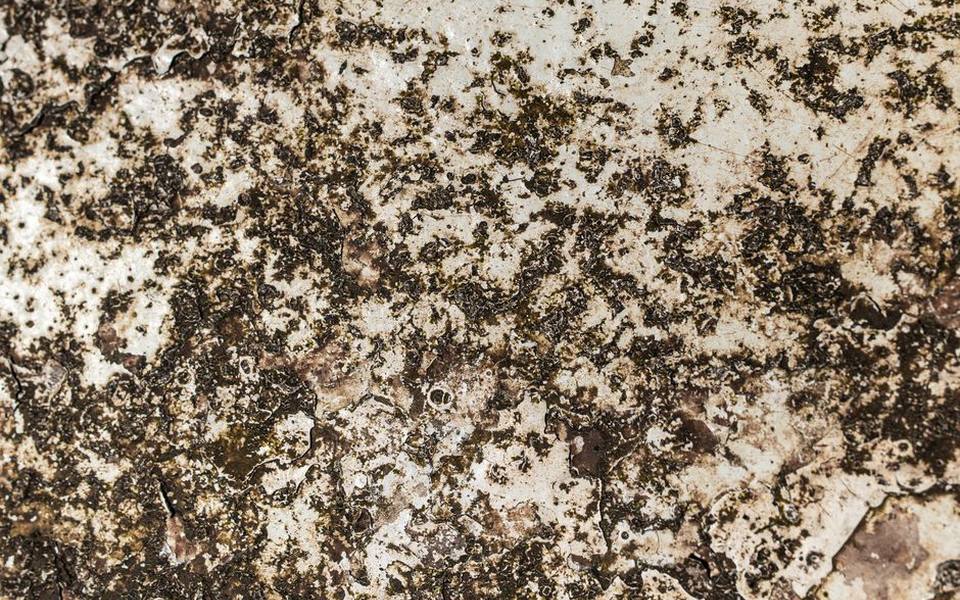
To lift a fresh rust spot, apply a dedicated rust and stain remover directly to the affected threads while the fabric is dry or slightly damp. Allow the acidic liquid to dwell for several minutes until the orange coloration visually dissolves into clear liquid. Rinsing thoroughly with cold water stops the acid reaction before it weakens delicate plant fibers like linen or combed cotton.
Powdered laundry additives formulated for well water, such as Iron Out rust remover, work best when an entire load emerges from the rinse cycle with an overall dingy orange or reddish cast. Dissolving the powder into a warm pre-soak tub allows all fibers to release trapped iron particles evenly without spot-treating dozens of tiny flecks by hand.
Clearing Calcium, Lime, and Water Scale
Homes supplied by well water or municipal sources with elevated mineral counts frequently suffer from calcium rust and white chalky crusts. Over time, calcium carbonate bonds with detergent salts to form lime scale, coating fabric fibers until towels feel like sandpaper and dark clothes look dusty. Using a balanced calcium lime and rust cleaner or mild organic acid in the rinse cycle dissolves these stubborn chalky matrices.
When dealing with severe mineral stiffness, clothing benefits from an acid stripping soak prior to regular washing. Diluted citric acid or household vinegar strips the alkaline mineral crust that coats the yarn, restoring natural absorbency to bath sheets and cloth diapers. For heavily coated utility garments or work uniforms, an application of a mild lime calcium rust remover breaks the inorganic bonds that trap body dirt underneath.
Machines operating in hard water districts also accumulate heavy calcium scale on the heating elements and outer tub basins. When mineral layers flake off, they can smear laundry with gray sludge or rough white streaks. Running periodic cleaning cycles with hot water and scale-dissolving acids keeps the drum clean and preserves mechanical efficiency.
Taking Rust off Metal Buttons, Zippers, and Drums
Hardware on vintage denim, military surplus jackets, and work coveralls often suffers from surface oxidation that rubs off on surrounding fabric. When taking rust off metal components, mechanical abrasion combined with a gentle chemical bath yields the best results. Immersing removable metal hardware or treating brass snaps with a concentrated paste of baking soda and lemon juice loosens crusty orange scale quickly.
For heavier corrosion on structural hardware, removing rust off metal items like buckles, brass zippers, and snaps requires an acidic soak followed by wire brushing. Submerging the metal portion in household white vinegar for several hours dissolves iron oxide crusts without softening the base metal. After scrubbing with a stiff nylon or brass brush, rinse the parts thoroughly and dry them completely to prevent flash oxidation.
If your washing machine drum develops small rust pits, tackle them immediately to prevent ongoing snagging and staining. Scrape away loose flaking metal with fine-grit emery cloth, clean the bare spot with rubbing alcohol, and coat the exposed steel with appliance touch-up enamel. Taking prompt care of internal steel prevents dozens of ruined loads down the road.
Stripping Sweat Buildup and Armpit Yellowing
The stubborn yellow discoloration in shirt underarms is not purely sweat; it is a chemical compound formed when sweat lipids react with aluminum antiperspirant salts. This waxy layer resists ordinary detergent washes and gradually turns brittle, darkening over months of body heat and machine drying. Standard washing simply coats the barrier with optical brighteners without dissolving the embedded grease.
Breaking through this waxy protein deposit requires a dual-action approach using heat, mild acids, and proteolytic enzymes. Mix equal parts baking soda, hydrogen peroxide, and warm water into a thick slurry, then scrub it directly into the stained armpit weave using a soft brush. Letting the mixture sit for thirty minutes allows oxygen radicals to bleach discoloration while the alkalinity softens hardened antiperspirant residues.
For shirts that smell sour the moment body heat warms the fabric, an extended enzyme presoak is mandatory. Submerge the garments in lukewarm water mixed with an enzymatic sports detergent or oxygen bleach for at least four hours before washing. This duration gives biological enzymes time to digest the skin oils and dead bacterial cells hiding within synthetic microfibers.
Flushing Out Deep-Set Smoke Resins
Whether caused by a structural fire, cigarette exposure, or campfires, smoke odor clings to textiles via microscopic volatile organic compounds and sticky tar residues. These aromatic resins are hydrophobic, meaning water alone rolls right past them without loosening their grip on the fibers. A standard wash cycle will simply spread the smoke scent across the rest of the laundry load.
The first step in treating smoke-damaged textiles is outdoor aeration to let volatile gases evaporate naturally out of the fabric matrix. Following aeration, submerge the items in a deep wash basin filled with warm water, half a cup of washing soda, and a heavy-duty degreasing surfactant. Alkaline washing soda cuts through the tar-based vehicle holding smoke molecules against the yarn.
In the rinse phase, introduce plain white distilled vinegar to drop the pH and neutralize basic smoke amines. For thick blankets or winter jackets holding heavy tobacco smell, consider running them through a commercial wash cycle or using an oxygen-rich destaining compound. Never apply high dryer heat until the odor is completely gone, as dry heat bakes tar resins permanently into synthetic yarns.
Eradicating Mold and Mildew Spores from Textiles
Mildew thrives whenever damp laundry sits in a basket, washer drum, or humid basement for more than twenty-four hours. The characteristic sour funk is produced by active microbial colonies digesting microscopic organic debris on the cloth. If left untreated, mold penetrates natural cotton fibers, breaking down cellulose structural integrity and leaving permanent gray or black speckles.
Killing living fungal spores requires either thermal sanitization, acidic disruption, or oxygenation. Wash colorfast items at the hottest water temperature permitted by the care tag, adding two cups of white distilled vinegar to the wash cycle to disrupt fungal cell walls. For white cottons and bleachable workwear, a controlled dilution of chlorine bleach remains the fastest method to sterilize spores and remove black spots.
Direct sunlight provides an exceptional, free sanitizing follow-up for lingering mustiness after washing. Ultraviolet radiation naturally neutralizes residual spore fragments and bleaches out faint yellow mildew stains without damaging fabric fibers. Hang affected garments outdoors on a breezy day, ensuring both the inside and outside of the fabric receive direct solar exposure.
Selecting and Handling Commercial Stain Removers
When grocery store spot sprays fail, commercial laundry chemicals provide the concentrated power needed for extreme restoration. Products based on oxalic acid or sodium hydrosulfite are engineered specifically to break tough mineral and rust bonds without harming dye pigments. Keep in mind that industrial formulations operate through aggressive chemical reduction rather than standard foaming action.
Always test strong removers like concentrated rust liquids on a hidden inner seam or pocket lining before treating high-visibility panels. Some synthetic dyes, especially khaki, olive drab, and certain blues, can shift color when exposed to acidic rust strippers. Apply a single drop, wait three minutes, and press with a white paper towel to verify dye stability before covering large surfaces.
Personal safety is critical when handling strong stain chemicals in poorly ventilated laundry rooms. Wear rubber gloves when manipulating concentrated acid liquids or dry sulfurous powders to protect your skin from chemical burns. Never mix acidic rust removers with chlorine bleach or ammonia products, as doing so releases toxic gases that cause serious respiratory damage.
Scaling Up to Laundromat Equipment for Tough Loads
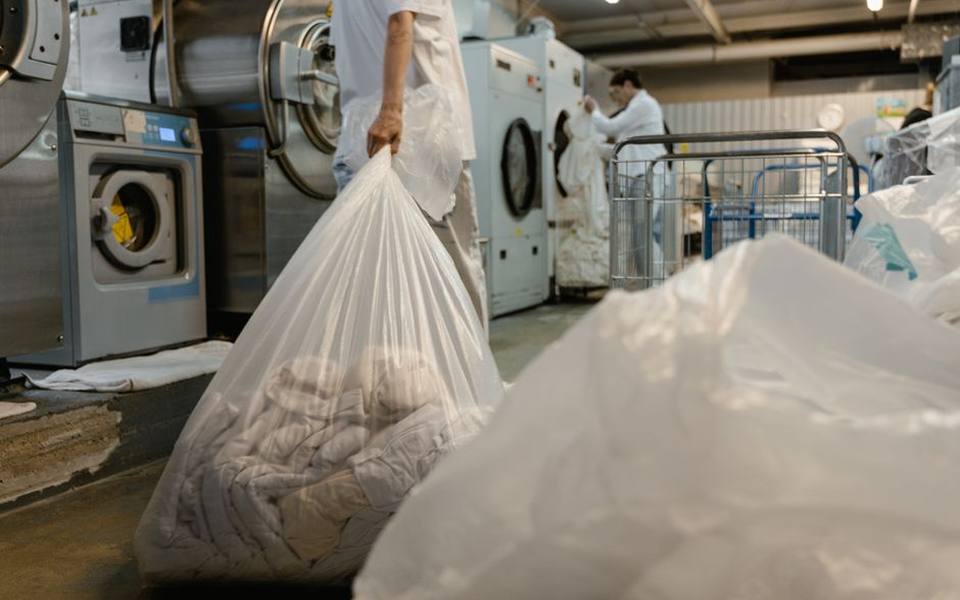
Treating oversized items like smoke-soaked down duvets, horse blankets, or moldy drop cloths is virtually impossible inside compact residential washers. Residential machines lack the water volume required to flush out dissolved oils, salts, and stripped mineral scale. When garments cannot tumble freely, loosened dirt simply settles back into adjacent fabric folds during the spin cycle.
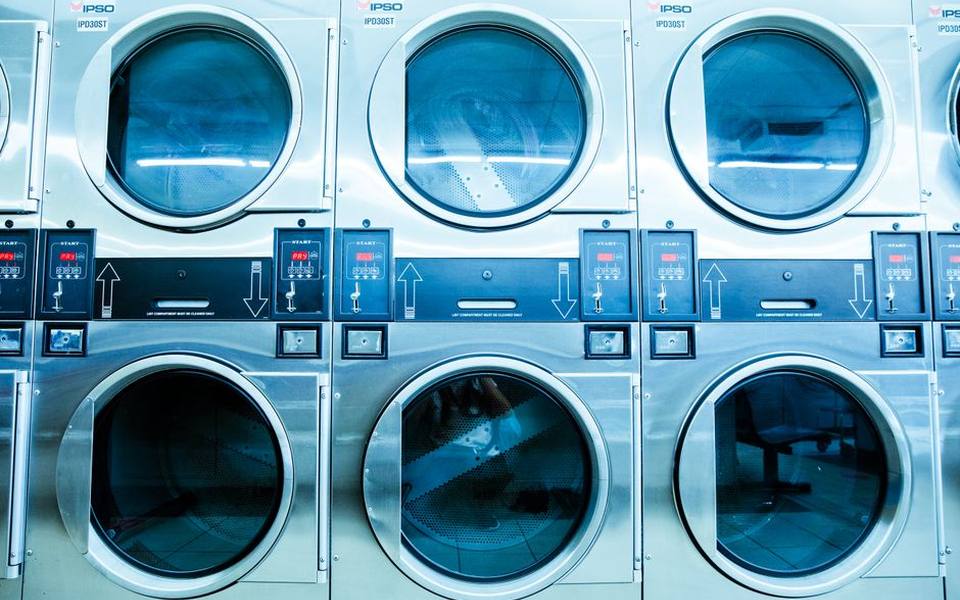
Visiting a facility equipped with large-capacity machines gives bulky textiles room to circulate through generous volumes of cleaning solution. Front-load commercial extractors force water repeatedly through dense weaves using heavy mechanical agitation, dislodging settled soot particles and deep-seated sweat salts that home agitators cannot touch.
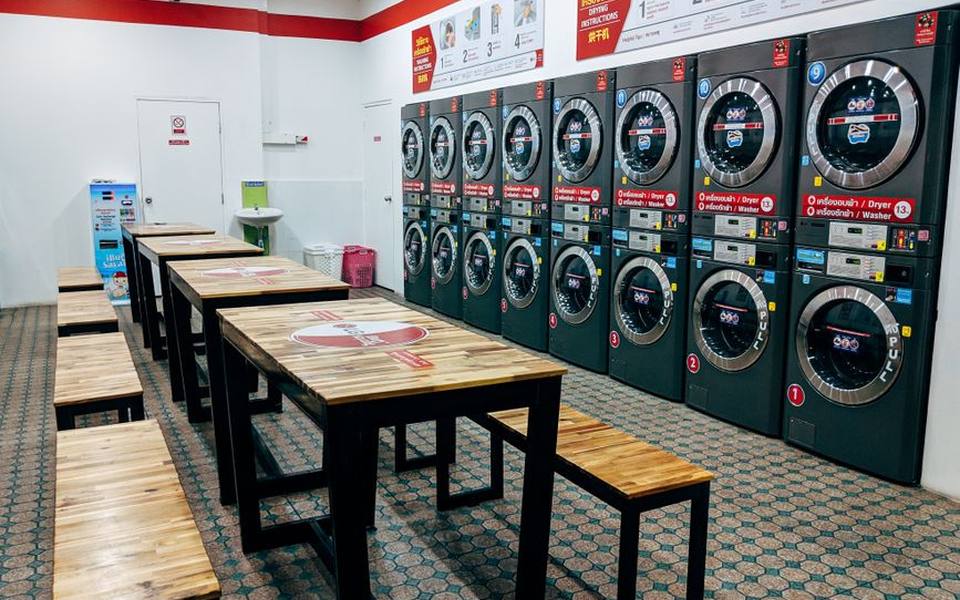
If you prefer managing the restoration process directly, modern self-service laundromats allow you to run specialized extended soak and sanitizing cycles. When handling many work shirts or greasy uniforms, choosing locations that offer modern conveniences like card-operated laundry machines eliminates the hassle of carrying dozens of quarters while cycling multiple rinse phases. For large batches of difficult textiles, delegating the job to wash-and-fold laundry services can also save hours of hand-scrubbing.
Keeping Washers Fresh to Prevent Future Stains
Many mysterious laundry stains and sour odors originate inside the washing machine itself rather than from daily wear. Front-load washers are notorious for harboring stagnant water and soap scum behind the rubber door gasket, creating a breeding ground for black mold. Every time clothes tumble past contaminated baffles, they pick up invisible fungal spores and unpleasant odors.
Wipe down door bellows, detergent dispensing drawers, and filter screens once every few weeks to keep buildup from transferring to clean clothes. Run an empty sanitizing maintenance cycle with hot water and washing machine cleaner or two cups of vinegar to strip mineral scale and soap scum from the outer drum. Leaving the washer door cracked between wash cycles allows moisture to evaporate, preventing mildew formation.
Finally, inspect your incoming water supply hoses and machine inlet screens at least once a year. Old rubber hoses shed oxidized black fragments into the tub, while clogged wire inlet filters can concentrate rust flakes from municipal supply mains directly onto wet clothes. Keeping laundry appliances clean ensures your hard work removing stubborn stains is never undone by the machine.
Published 2026-09-23 · reviewed with each rebuild, last October 2026.
Find laundromats near you
The directory lists 26,375 laundromats by state and city — pick your state or use the “Near me” button in the header.
More guides
-
 Service
How to Clean Leather and Suede Jackets at Home
-
 Owning
How to Wash Baseball Caps Without Ruining Their Shape
-
 Safety
How to Safely Wash and Dry Electric Blankets
-
 Money
MoneyHow Much Does a Laundromat Cost: Per-Load Rates and Price Breakdown
-
 Money
MoneyDry Cleaning and Tailoring Cost Guide: Pricing for Everyday Garments and Alterations
-
 Owning
How to Clean and Wash a Sleeping Bag Safely
-
 Owning
How to Clean Leather and Suede Jackets at Home
-
 Owning
How to Machine Wash Shower Curtains and Bath Mats
-
 Buying
Best Top-Load Washing Machines: Types, Features, and Buying Guide
-
 Buying
Washing Machine Comparison: LG, Speed Queen, Maytag, Samsung, and GE
-
 Buying
Front-Load Washers and Stackable Dryer Sets: Brand Comparisons and Buying Guide
-
 Owning
How to Apply Clothing Patches: Iron-On vs. Sew-On Methods for Denim, Jackets, and Bags
-
 Safety
Best Fragrance-Free and Unscented Laundry Detergents for Sensitive Skin
-
 Service
Complete Guide to Suit Tailoring and Wedding Dress Alterations
-
 Buying
How to Buy a Laundromat: Equipment Assessment, Valuation, and Setup