Why Washing Machines Ruin Leather and Suede
You should never toss a genuine leather or suede jacket into a home washing machine or submerge it in water. Leather and suede are porous animal hides filled with natural oils that preserve their flexibility, shape, and smooth finish. Soaking the hide strips those protective lipids, causing the material to dry out, warp, shrink, and crack once it evaporates. Even delicate wash cycles break the structural bonds of the skin, resulting in stiff, unwearable outerwear that cannot easily be restored.
Home care focuses entirely on surface spot-cleaning, dust removal, gentle deodorizing, and targeted conditioning rather than full immersion. Smooth hide handles controlled surface moisture reasonably well, while suede requires strictly dry techniques to avoid matting its delicate, velvety nap. Knowing which material you are dealing with dictates your exact strategy, as a wet sponge will clean a motorcycle jacket but leave permanent water rings on split cowhide suede.
Before applying any product or cleaning solution, always check the garment care tag stitched into the inner seam. Many outerwear makers explicitly warn against standard laundering and recommend professional leather refurbishment. If your jacket is heavily soiled, heavily saturated with mold, or stained with dark oil, you will likely need specialized care rather than routine home upkeep to protect your original investment.
Cleaning Smooth Leather and Heavy Riding Gear
To clean a smooth leather jacket or heavy riding jacket at home, start by removing dried dirt, dust, and highway grime with a dry microfiber cloth. If you ride motorcycles, bug splatter and road dust accumulate rapidly along the chest and sleeves. Mix a few drops of mild, pH-balanced liquid soap or specialized leather cleanser into warm water. Dampen your microfiber towel so it is barely moist, ring it out thoroughly, and gently wipe down the panels using light circular motions.
Never scrub aggressively against the grain or leave visible water pooling along the seams, zipper tracks, or pockets. Take a second clean cloth dampened only with plain water to lift away residual soap film, then immediately wipe the entire jacket dry with a plush cotton towel. Allow the hide to air-dry at room temperature on a wide, contoured wooden hanger away from radiators, heat registers, or direct afternoon sunlight, which bake and stiffen leather fiber.
Once the jacket is completely dry to the touch, you must rehydrate the exterior pores with a thin, even coat of quality leather conditioner or mink oil. Conditioning replenishes the moisture drawn out during surface wiping, prevents creasing around the elbows, and builds a breathable barrier against weather exposure. Buff the leather gently after the conditioner absorbs, typically after letting it rest for twenty to thirty minutes.
Restoring Suede Without Liquid Disasters
Cleaning suede requires an entirely dry methodology because water permanently alters the open, raised fiber nap. Begin by brushing the entire garment with a dedicated suede brush, using gentle strokes in a single direction to remove loose surface dirt and embedded street grit. Brushing in multiple directions can grind fine dirt deeper into the porous texture, so stick to rhythmic, uniform motions across the shoulders, back panel, and cuffs where everyday grime gathers.
For stubborn scuffs, shiny patches, or dried mud, use a clean suede eraser or a standard white pencil eraser. Rub the affected zone firmly to crumble away the top layer of surface residue and lift the flattened fibers back into position. Once the mark lifts, use the brass or nylon bristle side of your suede brush to fluff the texture and blend the treated area back into the surrounding nap.
If you encounter oil spots from food or skin contact, immediately coat the area in cornstarch or unscented talcum powder. Leave the powder untouched for several hours or overnight so it can draw the grease out of the leather pores like a sponge. In the morning, brush the powder away gently outside; for lingering spots, repeat the process instead of rubbing liquid stain removers onto the suede.
Deodorizing and Freshening the Interior Lining
Most foul odors in vintage or riding jackets come from body perspiration trapped in the synthetic interior lining rather than the outer hide. Turn the jacket inside out over a wide hanger so the fabric lining is exposed without bending the outer shell unnaturally. If the jacket features a removable quilted thermal liner, detach it completely; these separate liners can often be taken to self-service laundromats or washed independently according to their fabric tags.
For fixed linings, mix equal parts distilled white vinegar or plain vodka with water in a clean spray mister, and lightly mist the armpits and back panel. Vodka neutralizes stubborn odor-causing bacteria without leaving a heavy chemical scent behind as it evaporates. Ensure you do not over-saturate the lining to the point where moisture seeps through to the backside of the leather shell.
For light maintenance between seasons, you can drop your everyday garments off at wash-and-fold laundromats to handle standard layers, while keeping your leather jackets hanging in a cool, well-ventilated wardrobe. Storing leather in plastic dry-cleaning bags traps ambient humidity and causes mildew growth, so always use breathable canvas garment bags and cedar blocks to maintain natural freshness.
Knowing When to Choose Professional Leather Cleaning
While home maintenance keeps jackets looking sharp, deep stains, dye fading, and severe highway grease require commercial treatment. Professional leather care is entirely distinct from standard dry cleaning; standard dry cleaning solvents dissolve the natural oils in leather, ruining the coat. Dedicated leather specialists wash jackets in custom tumbling drums with specialized fats and re-dye worn areas by hand to match original factory tones.
Many local dry cleaners do not process hides in-house but instead ship them out to regional wholesale specialty facilities across all states. The turnaround time typically ranges from two to four weeks depending on the level of cleaning, structural repair, and re-oiling required. While the expense is higher than standard garment cleaning, professional reconditioning can easily extend the functional life of high-end outerwear by decades.
If you use local services such as laundromats with pickup and delivery for your household laundry, ask whether they partner with certified leather restoration specialists. When entrusting an expensive motorcycle jacket or heirloom suede fringe coat to any business, verify that they carry specific liability insurance for specialized hide restoration before handing over the garment.
Published 2026-09-20 · reviewed with each rebuild, last September 2026.
Find laundromats near you
The directory lists 20,787 laundromats by state and city — pick your state or use the “Near me” button in the header.
More guides
-
 Service
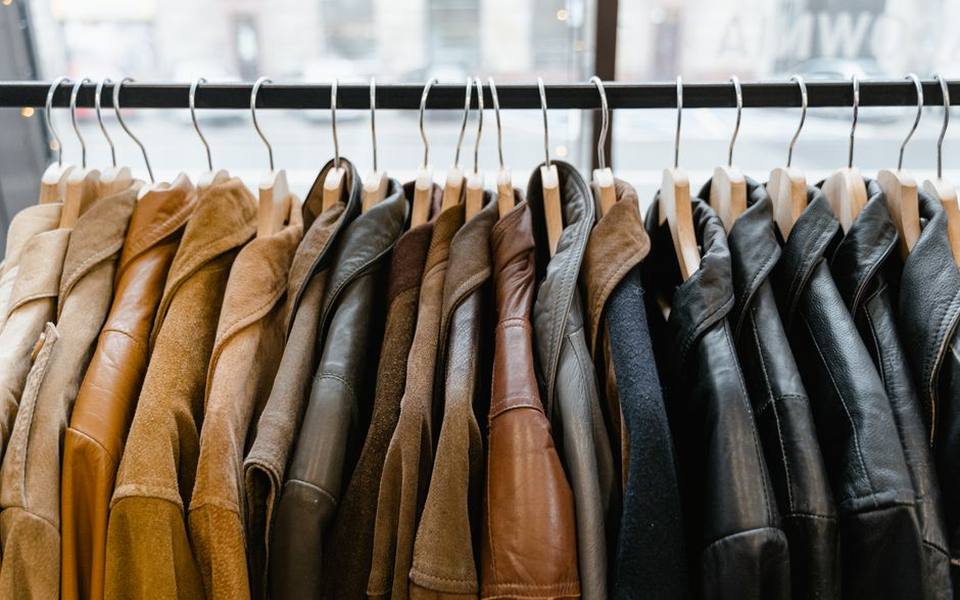
How to Clean Leather and Suede Jackets at Home
-
 Owning
How to Wash Baseball Caps Without Ruining Their Shape
-
 Safety
How to Safely Wash and Dry Electric Blankets
-
 Money
MoneyHow Much Does a Laundromat Cost: Per-Load Rates and Price Breakdown
-
 Money
MoneyDry Cleaning and Tailoring Cost Guide: Pricing for Everyday Garments and Alterations
-
 Owning
How to Clean and Wash a Sleeping Bag Safely
-
 Owning
How to Machine Wash Shower Curtains and Bath Mats