Evaluating an Existing Laundromat for Sale
Buying an existing store is often far faster than building out a retail space from scratch, but it requires a calm look at hard numbers rather than seller enthusiasm. When you scout a laundromat for sale, the first document to scrutinize is not the net income statement, but the trailing utility bills for water, gas, and electricity. In this industry, utility consumption rarely lies. If water usage does not match the revenue the owner claims through the coin boxes, the financial presentation is likely inflated or the store suffers from hidden leaks.
Location dynamics matter just as much as past earnings. A steady self-service laundromat typically thrives in densely populated working-class neighborhoods where apartment complexes lack in-unit hookups or have restrictive shared laundry rooms. You will want to monitor the parking lot during peak hours, which usually occur on Saturday mornings and Sunday evenings. Easy curb access, adequate vehicle parking stalls, and clear visibility from the main road directly influence whether customers will lug heavy laundry baskets into the space.
Lease terms are often the single factor that decides whether a deal survives bank financing. Commercial laundry buildouts require heavy plumbing, dedicated gas lines, and specialized concrete pads, meaning you cannot easily pick up your equipment and move if the landlord decides to double the rent. An acquisition typically requires at least ten years of remaining lease term, ideally structured as a five-year base with multiple five-year options, along with caps on common area maintenance fees.
Understanding the True Value of Commercial Equipment
The machines on the floor represent the majority of the tangible asset value you are purchasing, yet assessing them requires understanding the difference between cosmetic cleanliness and mechanical life. An industrial clothes washer is built to run through ten to fifteen cycles every day under severe mechanical stress. While stainless steel front panels can look shiny after a quick wipe-down, the real condition lies inside the cabinet, around the motor mounts, and across the structural frame.
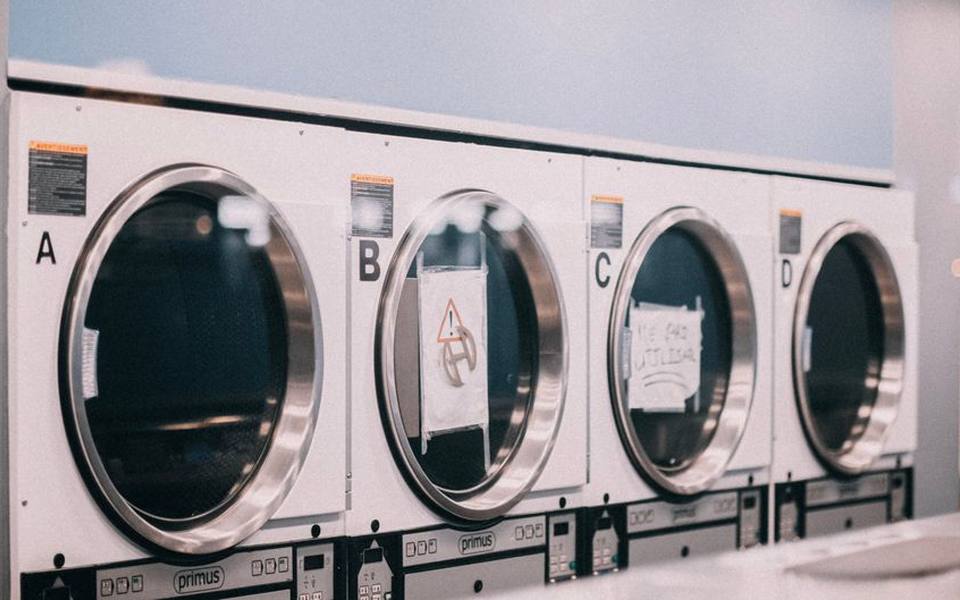
Machine age must be cross-referenced with manufacturer serial numbers rather than seller claims. Most front-load industrial washing machines carry an expected service life of ten to fifteen years, though well-maintained units with robust steel frames can last longer if replacement parts remain widely available. If a store is filled with machinery approaching two decades of continuous use, you must budget for a rolling retool, because older units consume significantly more water per cycle and break down under weekend volume.
When valuing the equipment package during an acquisition, professional appraisers typically look at depreciated replacement cost rather than original retail price. You should also evaluate whether the floor mix contains standardized components. Having three different generations of machinery from four distinct brands means your maintenance toolbox, spare belts, drain valves, and computer boards will be an expensive, disorganized headache to manage on a weekly basis.
Residential Heavy Duty Versus Commercial Build Quality
First-time buyers often wonder why they cannot simply install retail heavy duty washers purchased from an appliance outlet to save on initial capital. On residential models, selecting heavy duty on washing machine controls simply lengthens the agitation cycle, adds an extra rinse, and runs the motor at maximum speed to shift stubborn dirt. The internal suspension, stamped sheet-metal outer tub, and lightweight transmission are still engineered for only three to five cycles per week.
In contrast, a commercial heavy duty clothes washer features cast-iron bearing housings, oversized stainless steel drive shafts, and heavy structural frames that anchor directly to reinforced concrete floors. These machines are engineered to withstand continuous out-of-balance loads caused by soaked comforters, work coveralls, and heavy rugs. Using residential or light-commercial equipment in a busy self-service store typically results in cracked tub supports and burned-out drive motors within six to twelve months.
True industrial laundry washers also utilize gravity-drop drain valves rather than small electric drain pumps. A gravity drain allows dirty wash water, sand, and pocket debris to evacuate the cylinder within seconds through a three-inch opening without clogging or overheating an auxiliary motor. That rapid draining shortens cycle times, allowing you to turn more customer loads per day during high-traffic weekend periods while avoiding standing water issues.
Optimizing the Equipment Mix Across Machine Sizes
A profitable store does not rely on a single size of equipment; it provides a carefully balanced lineup that handles everyday clothing alongside massive household textiles. While single-load and double-load top-loaders were once the backbone of the trade, modern facilities earn their best margins by offering laundromats with large-capacity machines. Multi-load front loaders ranging from forty to eighty pounds of dry linen capacity draw customers who need to wash family-sized bundles or oversized king duvets.
Bulk capacity units command significantly higher vend prices while using water and utility gas far more efficiently per pound of laundry cleaned. When customers enter a store, they naturally gravitate toward the largest industrial clothes washing machine available because it cuts their chore time down to a single cycle instead of forcing them to manage five separate top loaders. This dynamic frees up basket carts and prevents hallway congestion during busy afternoon shifts.
Your floor layout should ideally maintain a pyramid distribution of capacity. A typical footprint might include a baseline tier of twenty-pound washers for single patrons, a strong middle core of thirty- and forty-pound machines for weekly family laundry, and three to six massive sixty- to eighty-pound units along the back wall for bulky bedding. Pairing these with matching stacked tumble dryers ensures that drying capacity always outpaces wash capacity, preventing customer bottlenecks.
Assessing Commercial Brand Reputation and Part Availability
When surveying the equipment floor, brand heritage and supply chain support matter just as much as individual machine specifications. Units like Maytag commercial washing machines have established a long-standing footprint in coin stores across the country due to their familiar interface, reliable mechanical components, and straightforward troubleshooting procedures. Operators have counted on these platforms for decades because routine service tasks rarely require specialized proprietary computer diagnostic tools to complete.
Similarly, choosing a recognized Maytag industrial washing machine platform means local distributors and regional parts houses will almost certainly stock replacement water inlet solenoids, belt kits, door lock assemblies, and inverter drives. When an industrial clothes washer breaks down on a Friday night, waiting three weeks for an obscure imported bearing or control board translates directly to lost quarters and frustrated customers who will visit a competing store nearby.
Before finalizing the purchase of an existing laundromat, contact two regional commercial laundry equipment distributors that serve the zip code. Ask them about their typical warehouse stock for the machine generations currently installed in the store. If parts for the specific models on the floor have entered discontinued status or require custom fabrication, factor the immediate cost of replacement machines into your purchase offer.
Managing Coin Operated Washers and Card System Upgrades
Deciding how customers pay for cycles is a major operational fork in the road when acquiring a store. Traditional coin laundry locations running standard washer dryer coin operated machines provide an immediate, tactile revenue stream with zero credit card processing merchant fees. Customers know exactly how to drop quarters into mechanical slides or electronic coin drop mechanisms, making the store easy to navigate for diverse demographic groups.
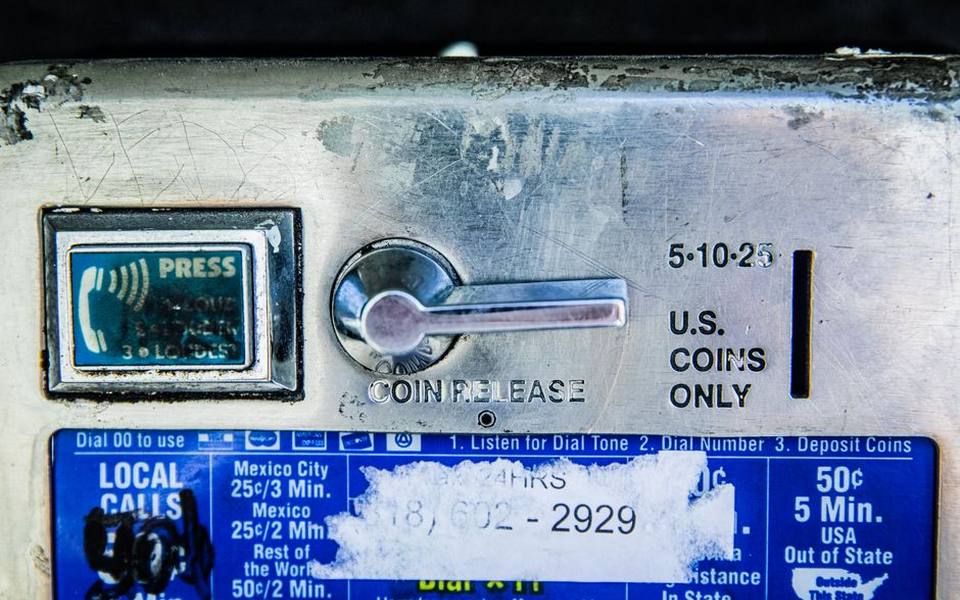
However, mechanical coin drops come with continuous physical labor and inherent security challenges. You or an employee must routinely empty heavy coin vaults, sort and count currency, haul change bags to commercial deposit banks, and service jammed coin acceptors. Furthermore, raising prices on purely mechanical coin slides typically forces you into twenty-five-cent increments, which can be an abrupt percentage jump on smaller top-load equipment.
Many buyers choose to transition existing machines to modern laundromat card payment systems or hybrid mobile app readers. Card and app systems allow you to adjust vend prices by pennies to offset rising utility bills, offer loyalty discounts during slow Tuesday morning hours, and track real-time machine usage remotely. The trade-off involves payment processing fees, initial networking hardware costs, and educating long-time neighborhood patrons on how to tap digital cards.
Plumbing, Gas, and Electrical Infrastructure Realities
The machines inside a laundromat are only as effective as the mechanical utility backbone that feeds them behind the bulkheads. A store packed with thirty commercial washers requires substantial city water service, typically running through a two-inch or three-inch main water line equipped with a high-capacity commercial meter. If the municipal water pressure drops during peak Saturday afternoon demand, wash cycles will lengthen and computer valves will trigger pressure error codes.
Water heating infrastructure represents another critical capital asset that requires careful inspection. Commercial laundry water heaters are high-output boiler systems paired with large insulated storage tanks engineered to supply 120-degree water continuously throughout rush hours. Check the age of the heat exchanger, look for signs of mineral scaling or corrosion, and verify that the venting system complies with local fire and environmental building codes.
Gas supply and dryer exhaust venting demand equal scrutiny. Commercial tumble dryers consume substantial natural gas volume or propane, requiring dedicated gas manifold lines sized to prevent pressure drops when twenty dryers fire their burners simultaneously. Lint buildup in shared exhaust ductwork poses a serious fire hazard and chokes airflow, leading to longer dry times, higher utility costs, and increased customer complaints about damp clothes.
Financial Modeling for a Self Laundry Business
Running a sustainable self laundry business depends on maintaining a healthy spread between gross turns-per-day and overhead expenses. In most markets, a store should average between three to five turns per machine per day to cover fixed overhead and yield an attractive return on investment. The three largest operating expenses you will face every month are rent, utility bills, and labor if you employ floor attendants.
Utility costs in a conventional self-service setup typically consume between fifteen and twenty-eight percent of gross monthly revenue, depending on local municipal water rates and regional energy tariffs. If a store’s utility expense creeps above thirty percent, it generally indicates inefficient older equipment, hidden underground plumbing leaks, improperly calibrated water levels, or uninsulated hot water storage loops that bleed heat around the clock.
Rent, including common area maintenance, property taxes, and insurance, should ideally stay below twenty-five to thirty percent of gross revenue for the location to remain healthy through broader economic downturns. When modeling your cash flow projections, be sure to set aside a dedicated reserve fund for ongoing equipment maintenance. Commercial machines endure tremendous physical abuse, and budgeting three to five percent of revenue for routine repairs protects your working capital.
Hands-On Mechanical Inspection Checklist
Before removing contingencies on an acquisition contract, you need to open the service doors on a representative sample of machines across every weight class. Bring a strong work light and inspect the rear bearing assemblies behind the wash cylinders. If you see reddish rust streaks running down the back of the outer tub beneath the drive pulley, the water seals have failed and the main support bearings are on the verge of seizing.
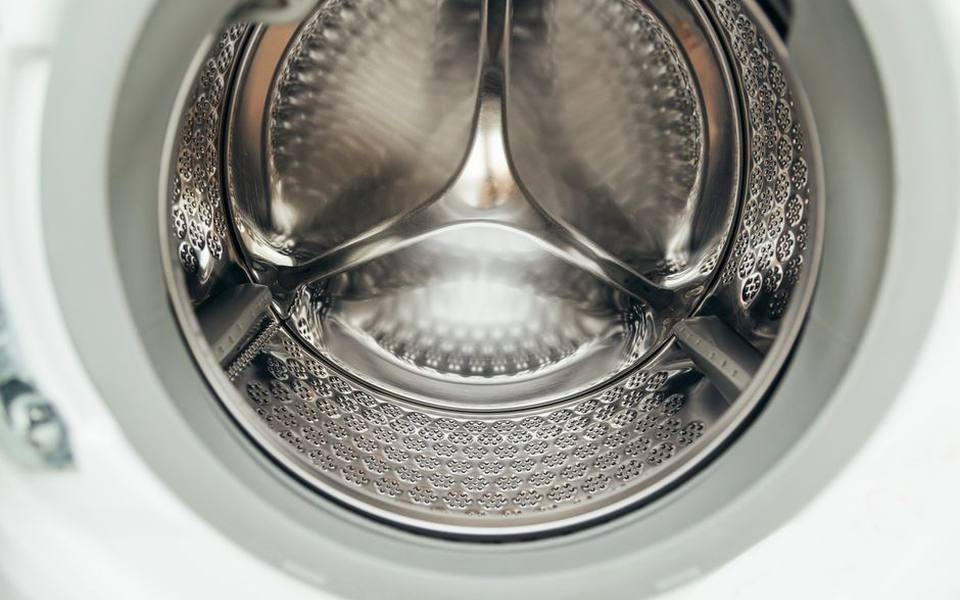
Reach inside each wash drum and spin the stainless steel basket firmly by hand with the power disconnected. The cylinder should glide smoothly and silently without grinding, clicking, or lateral wobbling. Any clunking sound or noticeable up-and-down play indicates worn drum bearings or a cracked structural spider bracket, both of which require pulling the entire machine apart for an expensive, multi-hour mechanical rebuild.
Run test cycles on several machines to observe how water fills and drains under normal operating pressure. Check that dual water inlet valves shut off completely without dripping or causing water hammer shocks in the rear copper piping. Watch the bottom floor pans beneath the machines for active leaks, check drain troughs for standing sediment, and inspect the electrical harness wiring for brittle insulation caused by long-term internal cabinet heat.
Adding Services to Maximize Floor Space and Revenue
Once you take ownership and stabilize the core self-service operation, look for secondary revenue streams that capitalize on downtime during off-peak hours. Many operators add full-service wash-and-fold processing to keep floor attendants productive between store cleaning rounds. Wash-and-fold services let you monetize idle capacity on weekday mornings when regular neighborhood customer traffic is naturally quiet.
Another viable expansion path involves processing commercial laundry accounts for neighborhood businesses like physical therapy clinics, salons, local gyms, and small boutique hotels. These commercial accounts typically provide reliable, recurring weekday volume with predictable invoicing terms. High-capacity commercial front loaders handle heavy mop heads, salon towels, and linens with ease, generating revenue without competing for weekend retail basket space.
Finally, small peripheral additions inside the store can noticeably improve net cash flow while keeping visitors comfortable during long cycles. Vending machines dispensing single-use detergent boxes, fabric softeners, and laundry bags carry high profit margins. Pairing vending with well-maintained change machines, clean folding tables, reliable seating, and bright interior lighting fosters customer loyalty that protects your store against new competitors entering the area.
Published 2026-09-24 · reviewed with each rebuild, last October 2026.
Find laundromats near you
The directory lists 26,375 laundromats by state and city — pick your state or use the “Near me” button in the header.
More guides
-
 Service
How to Clean Leather and Suede Jackets at Home
-
 Owning
How to Wash Baseball Caps Without Ruining Their Shape
-
 Safety
How to Safely Wash and Dry Electric Blankets
-
 Money
MoneyHow Much Does a Laundromat Cost: Per-Load Rates and Price Breakdown
-
 Money
MoneyDry Cleaning and Tailoring Cost Guide: Pricing for Everyday Garments and Alterations
-
 Owning
How to Clean and Wash a Sleeping Bag Safely
-
 Owning
How to Clean Leather and Suede Jackets at Home
-
 Owning
How to Machine Wash Shower Curtains and Bath Mats
-
 Owning
How to Remove Tough Stains and Odors: Rust, Sweat, Smoke, and Mildew
-
 Buying
Best Top-Load Washing Machines: Types, Features, and Buying Guide
-
 Buying
Washing Machine Comparison: LG, Speed Queen, Maytag, Samsung, and GE
-
 Buying
Front-Load Washers and Stackable Dryer Sets: Brand Comparisons and Buying Guide
-
 Owning
How to Apply Clothing Patches: Iron-On vs. Sew-On Methods for Denim, Jackets, and Bags
-
 Safety
Best Fragrance-Free and Unscented Laundry Detergents for Sensitive Skin
-
 Service
Complete Guide to Suit Tailoring and Wedding Dress Alterations