Finding the Right Top-Load Laundry Setup
Choosing the ideal top-load washing machine comes down to how your household handles laundry and what kind of fabric care you expect. A reliable top loader provides fast cycle times, straightforward ergonomic access without deep bending, and minimal risk of standing water mold compared to front loaders. The right unit balances water efficiency with adequate tub volume so bulky loads move freely through the wash cycle without getting tangled or abraded.
When people look for a dependable machine, they typically focus on cleaning performance, cycle flexibility, and long-term mechanical reliability. Top-load units remain popular across the United States because their basic engineering has stood the test of time. Whether you wash heavy workwear every day or delicate fabrics once a week, knowing how modern models differ from older units will save you both money and frustration in the appliance aisle.
Modern top loaders fall into two distinct engineering camps: traditional agitator models and high-efficiency impeller designs. Each design targets a different laundry style, and buying the wrong mechanism is the leading cause of post-purchase dissatisfaction. Looking closely at motor design, suspension rods, and water level options will give you the practical perspective needed to make an informed choice before spending your hard-earned appliance budget.
The Core Difference Between Agitator and Impeller Washers
The most critical decision when evaluating top-load laundry appliances is selecting between a central agitator post and a low-profile wash plate or impeller. A classic pole agitator stands in the center of the basket, using directional fins to twist and pull garments downward through soapy water. This vigorous mechanical action excels at lifting ground-in mud, motor oil, and heavy dirt from thick cottons and rugged work uniforms.
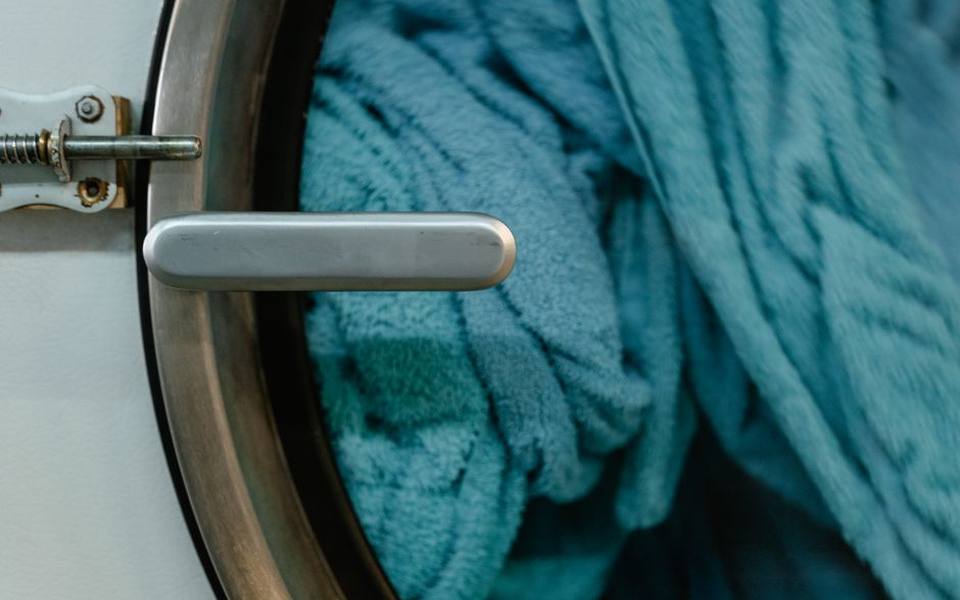
Impeller models replace the central column with a gently grooved disc at the bottom of the stainless steel tub. Instead of pulling clothes down a central shaft, an impeller spins rapidly to generate a rolling water vortex that rubs fabrics against one another. This gentler action reduces fabric friction, making it significantly kinder on synthetics, knits, and delicate hems while expanding the interior basket volume for larger loads.
However, impellers depend heavily on proper loading technique to clean thoroughly. If you pack an impeller drum like a traditional agitator machine, garments will bunch together in the middle and escape thorough saturation. Agitator units tolerate haphazard loading much better, though their mechanical fins can occasionally stretch thin straps or fray aged towel loops during intense spin cycles.
Choosing between them depends on your daily wardrobe. If your household produces heavy outdoor grime or athletic wear that needs vigorous scrubbing, an agitator remains a dependable choice. If you wash bulky comforters, synthetic bedding, and casual office wear, an impeller tub gives you the gentle treatment and expansive interior space you need.
Cleaning Performance and Water Level Settings
Top-load machines have transformed under modern federal energy guidelines, which dictate how much water and electricity an appliance can consume per pound of laundry. Earlier generations flooded the tub with dozens of gallons of hot water regardless of load size. Today, even traditional agitator machines feature load sensors that measure fabric weight and introduce only enough water to submerge the clothes safely.
Many buyers find modern low-water levels concerning at first glance, wondering how clothes can get clean without swimming in deep water. High-efficiency top loaders rely on concentrated detergent solutions and targeted spray jets that recycle water across the spinning load. This concentrated wash liquor dissolves body soils and detergent enzymes effectively without requiring an overflowing tub for standard clothing.
For households that routinely wash heavily soiled clothing, look for models equipped with a dedicated deep-fill button or an extra-rinse selector. These settings allow you to override automated water-saving sensors when dealing with cloth diapers, muddy sporting gear, or heavily sweat-stained gym kits. Having manual control over water levels bridges the gap between modern efficiency standards and old-school cleaning expectations.
Smart Features and Practical Tub Design
Appliance showrooms often highlight advanced electronic features, but only some of them deliver meaningful daily value. Soft-close glass lids are one of the most useful modern additions, preventing loud accidental slams that can damage safety switches or shock sensitive motor control boards. A transparent lid also allows you to verify that water levels and fabric motion are progressing normally without pausing the cycle.
Built-in pretreating stations, such as integrated water faucets and scrub brushes mounted inside the rim, have become popular in modern designs. These fixtures let you spot-treat stubborn food spills and collar lines directly over the tub, draining runoff directly into the plumbing without dripping across your laundry room floor. For small homes without a separate utility sink, an internal faucet adds practical convenience.
Digital features like wireless cycle alerts and smartphone monitoring can be helpful for busy households where laundry sits forgotten in the garage or basement. However, complex control panels with touchscreens and internal microprocessors can be costly to repair if exposed to extreme ambient moisture. Prioritizing robust rotary dials or simple tactile push buttons typically results in fewer electronic failures over a ten-year lifespan.
Matching Washer and Dryer Sets for Balanced Cycles
Buying a paired laundry set ensures visual harmony in your utility room, but the engineering match matters far more than matching paint. A standard laundry dryer needs roughly twice the interior volume of its companion washer to let tumbling clothes spread out for rapid warm airflow. If your washer handles 4.5 cubic feet, a matching dryer should ideally measure around 7.0 to 7.4 cubic feet.
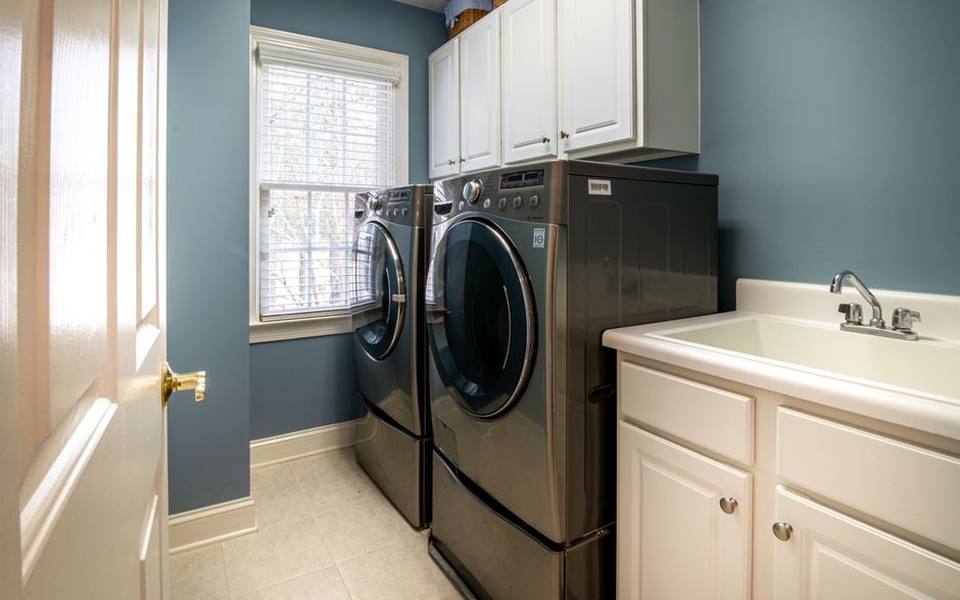
A quality top-load set synchronizes cycle run times between the two units so you do not encounter laundry bottlenecks on wash day. High-speed spin cycles on the washer extract moisture at high centrifugal speeds, which cuts drying times down significantly. When wet garments leave the washer with minimal retained moisture, the dryer expends far less electricity and prevents unnecessary heat exposure to your clothing.
Before purchasing a matching pair, double-check your home utilities and hookup requirements. Electric dryers require a dedicated 240-volt circuit and specific four-prong outlet wiring, while gas dryers need an approved gas line connection alongside a standard 120-volt plug. If your current laundry space lacks proper electrical capacity, switching from one fuel source to another can add unexpected installation expenses.
Capacity and Tub Depth Considerations for Everyday Living
Tub capacity dictates how many laundry hampers you can process in an afternoon, but bigger is not automatically better for every household. Standard top-load washers generally range from 3.8 to 5.3 cubic feet of interior space. While a massive tub comfortably swallows king-size quilts, it also requires deep reach; shorter family members may struggle to retrieve stray socks from the bottom of an extra-deep stainless drum.
Underfilling an oversized washer can also create balance problems. When a machine designed for five cubic feet washes only two lightweight shirts, the items can clump to one side during the high-speed spin cycle, causing the tub to rattle violently against its suspension springs. Selecting a capacity that matches your weekly wash routine keeps the appliance running smoothly and quietly without premature bearing wear.
When household needs briefly exceed your home machine's safe limits—such as seasonal washings of heavy horse blankets, down sleeping bags, or thick upholstery covers—forcing them into a residential unit risks snapping suspension rods. In those situations, running bulkier textiles through laundromats with large-capacity machines protects your home appliance from excessive mechanical strain.
Internal Mechanics: Transmissions, Motors, and Suspension
What happens beneath the outer steel housing determines how many years of service your top loader will provide. Older traditional designs relied on complex belt-driven transmissions and mechanical clutches to shift between agitation and spinning. Many contemporary top loaders have transitioned to direct-drive inverter motors, which mount directly beneath the basket and eliminate belts, pulleys, and gearboxes entirely.
Direct-drive configurations feature fewer moving parts subject to physical friction, leading to noticeably quieter operation and less vibration during high-speed extraction. Because direct-drive motors can reverse direction instantly, they also allow software developers to program specialized tumble algorithms that adapt to different fabric weights and delicate cycle selections.
Suspension systems are another vital component that deserves careful inspection. Heavy-duty steel suspension rods and fluid-filled balance rings at the top of the outer tub keep high-speed spins stable. Budget units that cut corners with lightweight composite brackets or plastic pump housings tend to develop severe rattling noises and balance trip-offs after just a few years of moderate household usage.
Energy Efficiency and Operating Costs Over Time
Operating costs for top-load washing machines depend largely on water heating rather than the electricity used to turn the drum. Heating forty gallons of tap water for an old-style hot cycle requires substantial energy from your home water heater. Modern high-efficiency machines mix hot and cold supply lines precisely to maintain lukewarm temperatures that activate chemical enzymes without wasting energy.
Spin cycle extraction speeds also directly influence your monthly utility expenses. Traditional agitator washers typically spin out water at around 600 to 700 revolutions per minute, leaving fabrics moderately damp. High-efficiency top loaders often reach 800 to 1,050 revolutions per minute, pressing moisture out mechanically so your dryer runs for significantly shorter intervals.
Choosing detergents formulated specifically for high-efficiency machines is essential for keeping operational expenses low and preventing mechanical damage. Standard high-sudsing soaps create excessive foam in modern low-water tubs, which tricks electronic pressure sensors and causes the machine to add repeated rinse cycles. Using concentrated low-suds detergent protects internal pump seals and ensures clean, residue-free results.
Handling Heavy Laundry Loads Beyond Residential Limits
Even the most capable residential top loader has clear structural boundaries that homeowners should respect. Overloading a machine with dense, heavy wet items like weighted blankets, thick canvas tarps, or multiple memory foam mattress toppers can bend the main drive shaft or burn out the drain pump. Knowing when to take certain laundry tasks outside the home is critical for preserving your equipment.
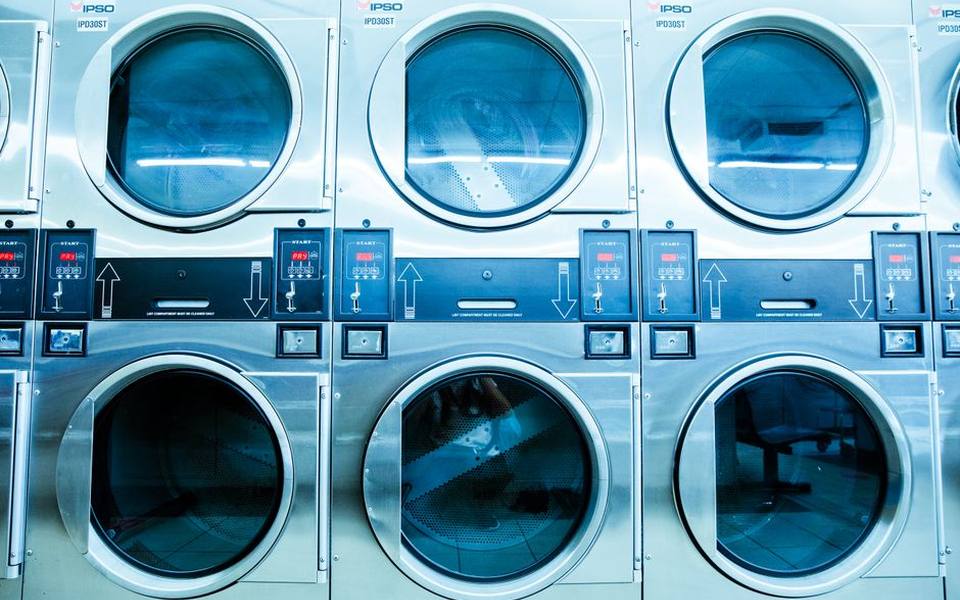
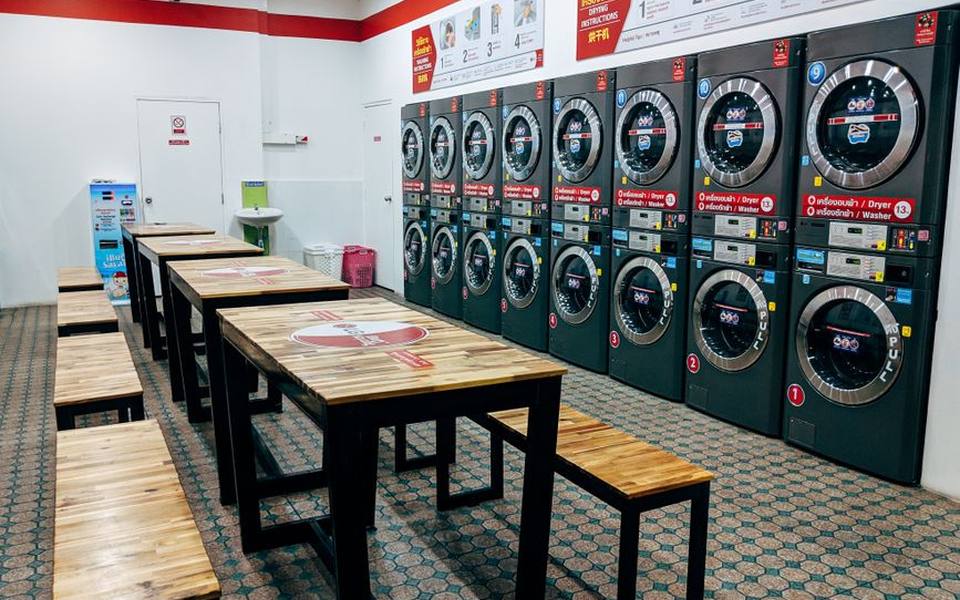
Visiting nearby self-service laundromats offers a practical alternative for families catching up on weeks of accumulated laundry after returning from vacation. Commercial multi-load equipment handles dense loads with ease, allowing you to run four or five regular hampers simultaneously rather than tying up your personal laundry room for an entire weekend.
If your home top loader does break down or you face time constraints during a busy work week, full-service laundry options can keep your household running smoothly. Utilizing professional wash-and-fold laundromats lets commercial attendants wash, dry, and neatly fold your everyday clothing, giving you breathing room while you schedule appliance repairs or shop for a replacement unit.
Many busy households also appreciate modern convenience options like laundromats that take cards, eliminating the need to search for quarters when washing large comforters or seasonal drapery. Leveraging commercial laundry facilities for oversized textiles extends the operating lifespan of your residential top-load washer by years.
Pre-Purchase Checklist and Installation Essentials
Before finalizing a washing machine purchase, take careful measurements of your physical space and pathway. Note the width, depth, and height of the utility closet, but do not forget to measure overhead clearance. Top loaders require substantial space above the unit so the lid can open fully without striking overhead storage cabinets or low shelving.
Measure every doorway, hallway turn, and staircase landing leading from your home entrance to the laundry hookups. Many buyers discover on delivery day that an oversized 29-inch cabinet will not pass through a narrow 28-inch basement doorway. Checking these physical thresholds beforehand prevents delivery refusals and restocking fees.
Finally, inspect your plumbing valves and discharge standpipe before installing your new appliance. Most manufacturers require an elevated drain pipe at least 36 to 39 inches above the floor to prevent water from siphoning out during filling. Investing in fresh braided stainless steel supply hoses rather than reusing old rubber lines protects your home against catastrophic burst pipes and water damage.
Published 2026-09-23 · reviewed with each rebuild, last October 2026.
Find laundromats near you
The directory lists 26,375 laundromats by state and city — pick your state or use the “Near me” button in the header.
More guides
-
 Service
How to Clean Leather and Suede Jackets at Home
-
 Owning
How to Wash Baseball Caps Without Ruining Their Shape
-
 Safety
How to Safely Wash and Dry Electric Blankets
-
 Money
MoneyHow Much Does a Laundromat Cost: Per-Load Rates and Price Breakdown
-
 Money
MoneyDry Cleaning and Tailoring Cost Guide: Pricing for Everyday Garments and Alterations
-
 Owning
How to Clean and Wash a Sleeping Bag Safely
-
 Owning
How to Clean Leather and Suede Jackets at Home
-
 Owning
How to Machine Wash Shower Curtains and Bath Mats
-
 Owning
How to Remove Tough Stains and Odors: Rust, Sweat, Smoke, and Mildew
-
 Buying
Washing Machine Comparison: LG, Speed Queen, Maytag, Samsung, and GE
-
 Buying
Front-Load Washers and Stackable Dryer Sets: Brand Comparisons and Buying Guide
-
 Owning
How to Apply Clothing Patches: Iron-On vs. Sew-On Methods for Denim, Jackets, and Bags
-
 Safety
Best Fragrance-Free and Unscented Laundry Detergents for Sensitive Skin
-
 Service
Complete Guide to Suit Tailoring and Wedding Dress Alterations
-
 Buying
How to Buy a Laundromat: Equipment Assessment, Valuation, and Setup