Why Professional Tailoring Defines Your Final Look
Off-the-rack garments are built around standardized mannequins, meaning they rarely fit anyone straight off the department store rack. Whether you purchase a classic two-piece jacket or an intricate evening gown, tailoring adjusts the seams, pitch, and balance so the garment contours your natural posture. A well-adjusted piece moves comfortably, hangs without pulling, and gives you instant confidence.
Relying on standard sizing often leads to awkward compromises, such as collars standing away from your neck or skirts dragging along the ground. A master seamstress or garment fitter looks at the structural anatomy of the garment, identifying balance issues that casual observers only sense as poor fit. Investing in adjustments turns an average purchase into a personalized statement piece.
Before you commit to extensive reconstruction, it pays to understand what can realistically be altered and what requires custom construction. Shoulders and complex corsetry are notoriously labor-intensive to reshape, while waistlines, sleeve lengths, and trouser hems take less effort. Knowing the scope helps you plan your clothing budget without facing surprise charges right before an important event.
The Mechanics of Men's Suit Alterations
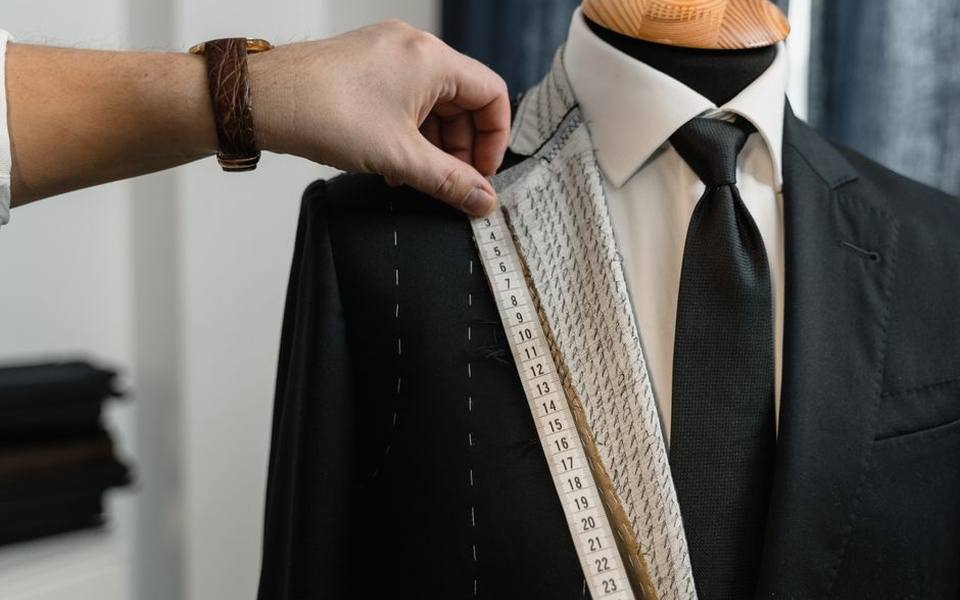
A skilled craftsman working on men's suiting focuses primarily on the jacket's collar, chest drape, and shoulder alignment. When you stand relaxed, the jacket collar should rest cleanly against your dress shirt collar with zero gap and no unsightly horizontal roll below your neck. Altering a collar roll is a standard procedure that immediately cleans up your upper profile.
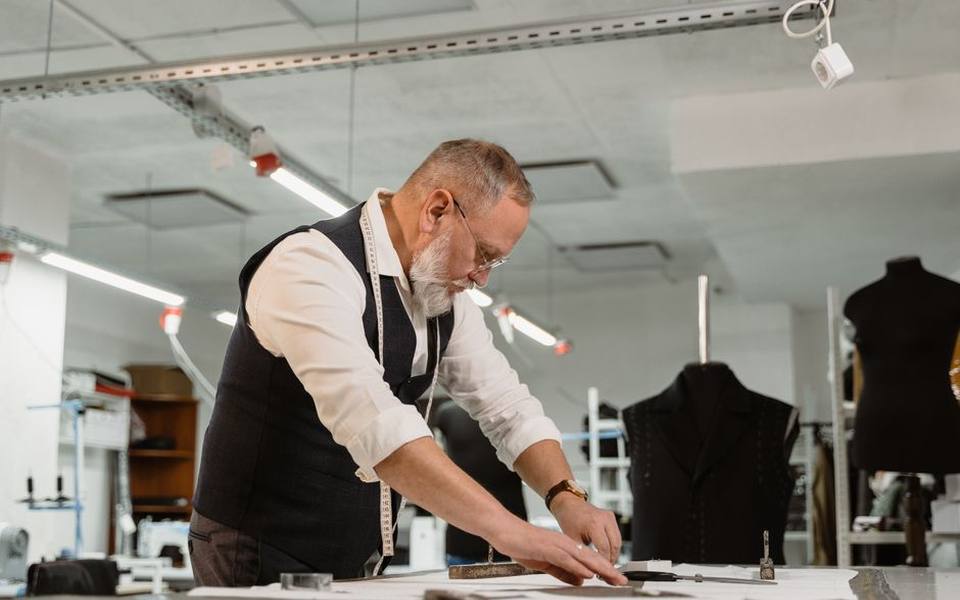
Sleeve adjustments depend largely on the cuffs. Non-working buttons can be shortened or lengthened easily from the bottom edge. If the jacket features functional buttonholes, the tailor must lift the sleeve from the shoulder head, which requires substantial labor and higher bench fees. Meanwhile, taking in the jacket waist cleans up the silhouette across your midsection without restricting movement.
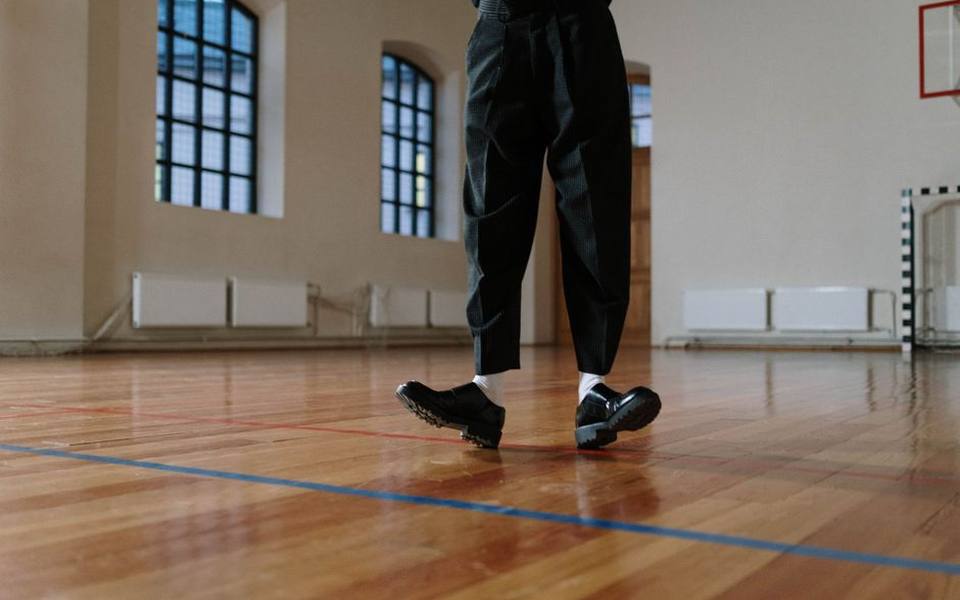
Trousers require careful attention to rise, seat, and leg break. Hemming can produce a full break, half break, or no break depending on your footwear and personal taste. Taking in or letting out the waistband, tapering the calves, and adjusting the crotch seam ensure trousers hang straight without bunching around your thighs.
If you regularly wear tailored suits for work in bustling metro areas like Illinois, keeping your garments clean and properly pressed between fittings prevents permanent fabric friction damage.
Precision Tailoring for Women's Suits
Tailoring suits cut for women presents distinct geometric challenges compared to menswear. Women's jackets incorporate bust darts, narrower shoulder spans, and varied waist suppression points. A garment technician must balance bust shaping against armhole movement to prevent lapels from gaping open or pulling tight across the chest.
Sleeve lengths on women's blazers traditionally land just past the wrist bone, allowing room for a blouse cuff or watch. Tapering the side seams creates a crisp hourglass or straight architectural line, depending on the jacket cut. If the jacket includes vents, the tailor balances them to ensure they stay closed when standing naturally.
Trousers and skirts in women's formalwear often involve curved waistbands, delicate side zips, and stretch-blend fabrics that behave differently under the needle. When shortening wide-leg trousers, the tailor must taper the inner and outer seams evenly to preserve the intended drape and movement of the fabric.
Made to Measure Versus Full Custom Suiting
When standard alterations on off-the-rack garments cannot achieve the fit you want, bespoke and custom options bridge the gap. Custom clothiers offering made-to-measure suiting start with an existing base pattern, adjusting key dimensions like chest breadth, sleeve pitch, and jacket length to fit your individual measurements. This gives you substantial control over fabric, lining, and lapel style.
Full bespoke construction, by contrast, involves drafting an entirely unique paper pattern from scratch for your body. The process typically requires multiple basted fittings, where the unlined canvas and loose stitches allow structural modifications before final assembly. Establishments specializing in high-end tailored clothing rely on hand-padded lapels and full-floating horsehair canvases that mold to your torso over years of wear.
Choosing between these pathways comes down to budget, timeline, and physical proportions. Made-to-measure garments typically take several weeks from measurement to final delivery, making them accessible for weddings and business wardrobes. Full bespoke takes considerably longer and involves greater craft investment, but it delivers an unmatched structural match for asymmetrical shoulders or unique postures.
Deconstructing Wedding Gown Alterations
A bridal gown is one of the most intricate garments created, featuring layered crinoline, horsehair hems, delicate illusion tulle, and internal boning. Bridal fittings transform a showroom sample or standard bridal size into a secure, breathtaking gown that supports you comfortably for hours. Because bridal sizing runs significantly smaller than ready-to-wear fashion, gowns almost universally require extensive adjustments.
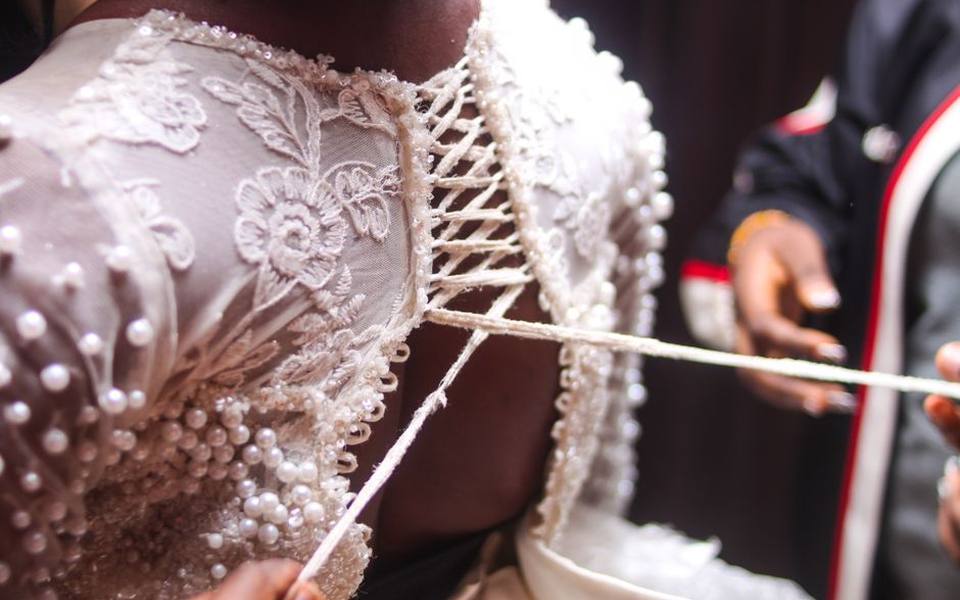
The bodice fitting serves as the structural anchor. An experienced bridal fitter contours the side seams, adjusts the shoulder straps, and fits the cups so the dress stays firmly in place without constant tugging. If the gown features a sheer illusion neckline or low back, adjustments must be hidden meticulously beneath beadwork or lace appliques.
Hemming a wedding dress involves addressing every layer independently. A ballgown might feature six separate underskirts that each require individual measuring, cutting, and stitching. On lace gowns with scalloped borders, the seamstress must unpick the entire lace trim by hand, cut the underlying fabric, and resew the border seamlessly to preserve the pattern.
After bridal events across major hubs like Texas, having your delicate bridal wear serviced through professional cleaning protects the fabric from set-in sugar stains and ground dust.
The Art of the Bridal Bustle
The bustle is an engineered system of discreet buttons, fabric loops, ribbons, or clear hooks designed to lift your gown train off the floor after the ceremony. Without a proper bustle, a train gets trampled, creates a tripping hazard, and suffers heavy staining during the reception. Bustling is entirely custom and depends on the weight, drape, and silhouette of your gown.
American or over-bustles gather the train upward, securing it at points along the outside waistline, creating an elegant cascading drape. French or under-bustles fold the excess fabric underneath itself using numbered color-coded ribbons tied inside the skirt, producing a soft, romantic pouf. Ballgowns often rely on Austrian bustles, which pull the fabric upward like a stage curtain using interior cords.
Because bustling mechanics can be complex, your primary bridal attendant or maid of honor should attend your final fitting. The bridal specialist will demonstrate how to locate each loop and knot correctly. Taking a short video on a phone during the demonstration saves valuable time and eliminates stress between the ceremony and the cocktail hour.
Understanding Alteration Costs and Pricing Factors
Pricing for formal alterations depends strictly on the complexity of the fabric, inner construction, and total labor hours required. Basic alterations on a men's suit—such as shortening trouser cuffs or taking in a center back seam—typically involve modest fees. In contrast, complex operations like lowering the jacket collar or rotating the sleeve pitch require expert disassembly and naturally cost more.
Wedding dress alteration prices reflect the intense labor needed to handle beaded lace, multiple lining layers, and built-in corsets. Shortening a multi-layered beaded hem or completely resetting a delicate zipper into buttons involves painstaking hand stitching. Many bridal studios charge flat packages for standard adjustments, while others calculate individual bench fees based on seam length.
Expedited rush fees apply when fittings are scheduled within days of an event, as tailors must rearrange workroom production schedules. Choosing quality tailoring protects your overall investment; cutting corners with inexperienced seamstresses often leads to costly corrections or irreparable damage to expensive silk and wool fibers.
Timeline and Fitting Schedules for Formalwear
Achieving the right fit requires planning several months ahead of your wedding date or formal occasion. For men's wedding suiting, ordering custom or made-to-measure pieces should begin roughly three months out, leaving two to three weeks for minor finishing adjustments. If you are modifying an off-the-rack suit, four to six weeks provides ample breathing room for two standard fittings.
Bridal fittings generally span three separate sessions scheduled over two to three months. The initial fitting addresses structural fit, pinning the bodice and establishing the rough hem height. The second fitting checks the waistline security, refines the bustle construction, and verifies that the skirt moves gracefully over your shoes.
The third and final fitting occurs roughly two to three weeks before the ceremony, serving as a final quality check for minor tweaks. Minor body weight fluctuations are common during event planning, so keeping this final appointment close to the date guarantees your gown or suit fits like a glove when you step down the aisle.
During busy wedding prep across dynamic metro regions like Florida, outsourcing everyday laundry routines through dependable wash-and-fold laundromats frees up valuable weekends for fitting appointments.
Caring for Tailored Fabrics and Wedding Attire
Tailored garments feature natural fibers, internal canvassing, and delicate linings that require gentle post-event care. Never shove a freshly worn wool suit or heavy gown straight into an airtight plastic bag, as trapped humidity can foster mildew and weaken fibers. Hang suits on wide-shoulder wooden hangers to maintain shoulder pad integrity.
Bridal gowns and formal jackets should be steamed rather than pressed with a direct iron, which can crush fabric pile or leave permanent shiny marks on wool. For deep cleaning after events, specialized dry cleaning is recommended. Between formal wearings, spot-treating accidental spills promptly prevents stains from setting into the weave.
For non-structured cotton dress shirts, undergarments, and travel attire used during wedding festivities, utilizing laundromats with large-capacity machines ensures linens and high-volume laundry are washed efficiently without crowding home washers.
Published 2026-09-24 · reviewed with each rebuild, last October 2026.
Find laundromats near you
The directory lists 26,375 laundromats by state and city — pick your state or use the “Near me” button in the header.
More guides
-
 Service
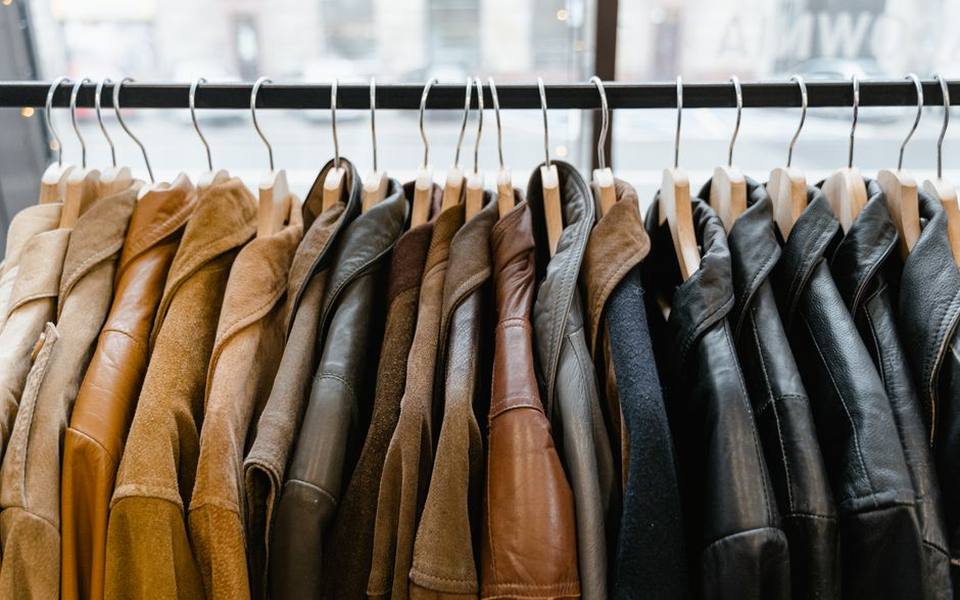
How to Clean Leather and Suede Jackets at Home
-
 Owning
How to Wash Baseball Caps Without Ruining Their Shape
-
 Safety
How to Safely Wash and Dry Electric Blankets
-
 Money
MoneyHow Much Does a Laundromat Cost: Per-Load Rates and Price Breakdown
-
 Money
MoneyDry Cleaning and Tailoring Cost Guide: Pricing for Everyday Garments and Alterations
-
 Owning
How to Clean and Wash a Sleeping Bag Safely
-
 Owning
How to Clean Leather and Suede Jackets at Home
-
 Owning
How to Machine Wash Shower Curtains and Bath Mats
-
 Owning
How to Remove Tough Stains and Odors: Rust, Sweat, Smoke, and Mildew
-
 Buying
Best Top-Load Washing Machines: Types, Features, and Buying Guide
-
 Buying
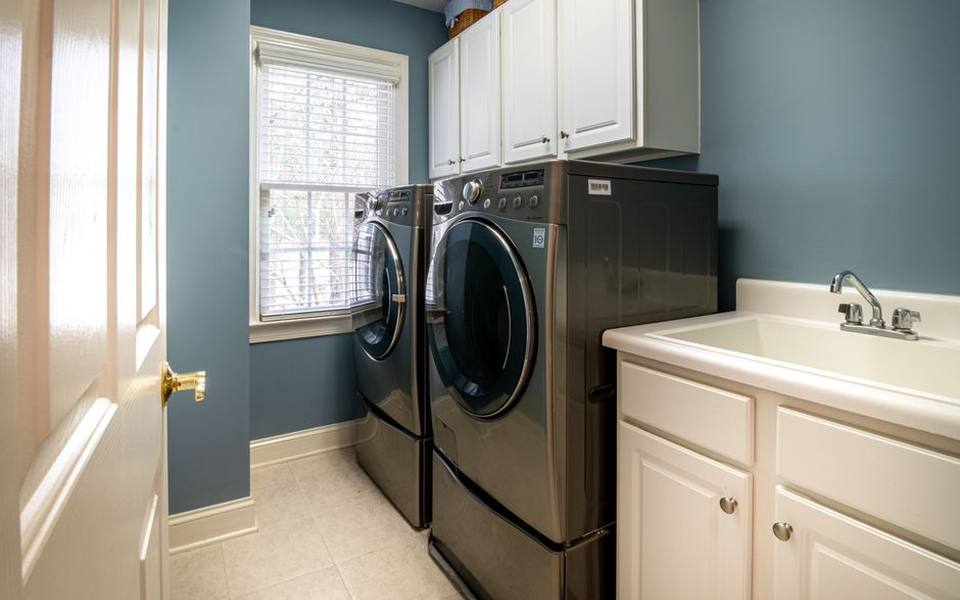
Washing Machine Comparison: LG, Speed Queen, Maytag, Samsung, and GE
-
 Buying
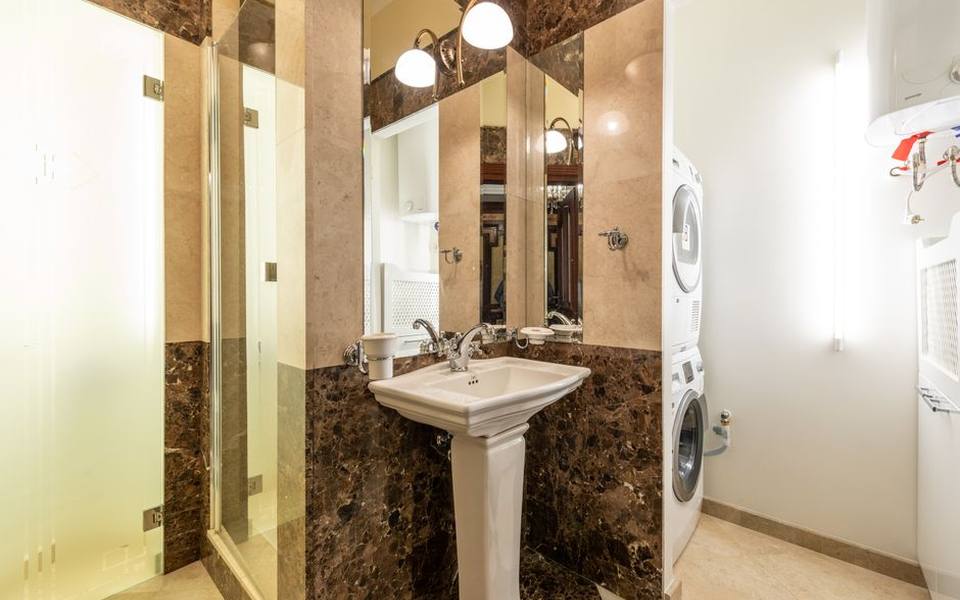
Front-Load Washers and Stackable Dryer Sets: Brand Comparisons and Buying Guide
-
 Owning
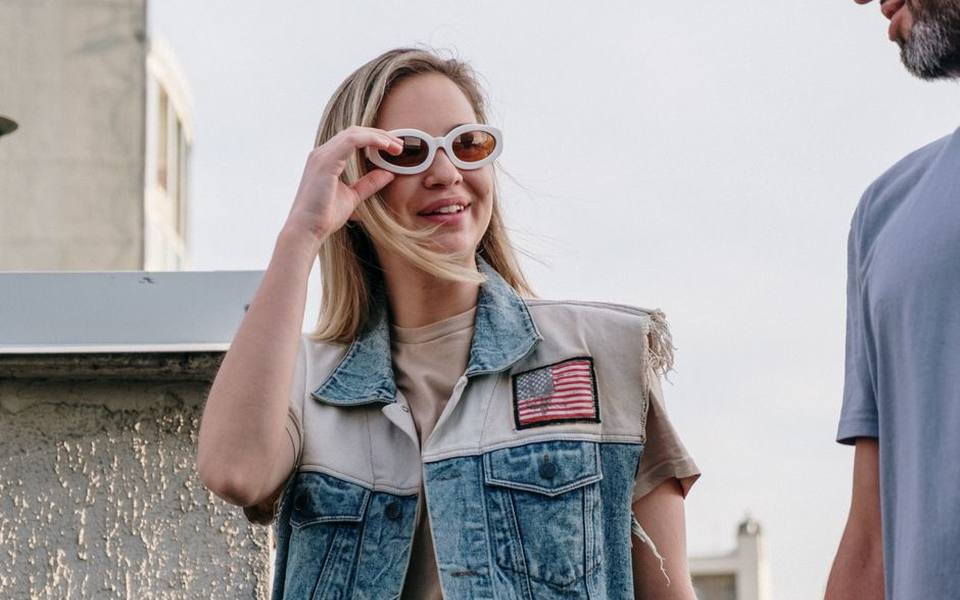
How to Apply Clothing Patches: Iron-On vs. Sew-On Methods for Denim, Jackets, and Bags
-
 Safety
Best Fragrance-Free and Unscented Laundry Detergents for Sensitive Skin
-
 Buying
How to Buy a Laundromat: Equipment Assessment, Valuation, and Setup