Understanding Fragrance-Free Versus Unscented Detergents
The fastest way to soothe reactive skin is selecting a laundry detergent labeled specifically as fragrance-free rather than merely unscented. While shoppers often treat these terms interchangeably, cosmetic and chemical manufacturing standards distinguish between them. Fragrance-free formulas contain no aromatic ingredients added to produce a smell. In contrast, unscented products frequently contain synthetic masking agents designed to neutralize the raw chemical odor of cleaning surfactants. If you struggle with contact dermatitis or eczema, those masking fragrances can still trigger irritation, itching, or redness across your body.
When shopping for a reliable fragrance free washing detergent, checking the back panel is essential. You want to see an ingredient list stripped of artificial botanical blends, essential oils, and masking chemicals. Many people assume natural botanical extracts are inherently safe, but plant oils like lavender or citrus extracts are common contact allergens. A true scent free washing detergent relies strictly on functional cleaning ingredients without sensory additives. Looking for clinical allergy testing certifications on the bottle gives you an added layer of safety before washing your everyday wardrobe.
The base components of a gentle detergent should prioritize mild surfactants derived from coconut, corn, or synthetic non-ionic cleaning agents that rinse out cleanly. In typical commercial production, heavy dyes are also introduced purely for aesthetic marketing to make liquids look bright blue or green. These synthetic colorants serve zero cleaning function and can lodge deep inside fabric weaves. Switching to clear, dye-free formulas eliminates another layer of common dermatological triggers from your daily laundry routine.
Liquid Formulas Versus Traditional Laundry Powders
Choosing between a fragrance free washing liquid and a traditional dry powder largely depends on your water temperature and personal skin needs. Liquid detergents generally dissolve far more reliably in cold wash cycles. When you wash everyday garments in cool water, liquid disperses instantly throughout the basin, working through the weave without leaving behind undissolved granules. For anyone with reactive skin, avoiding crystalline detergent deposits inside socks or underwear bands is critical, making liquids an exceptionally safe choice for daily home and laundromat use.
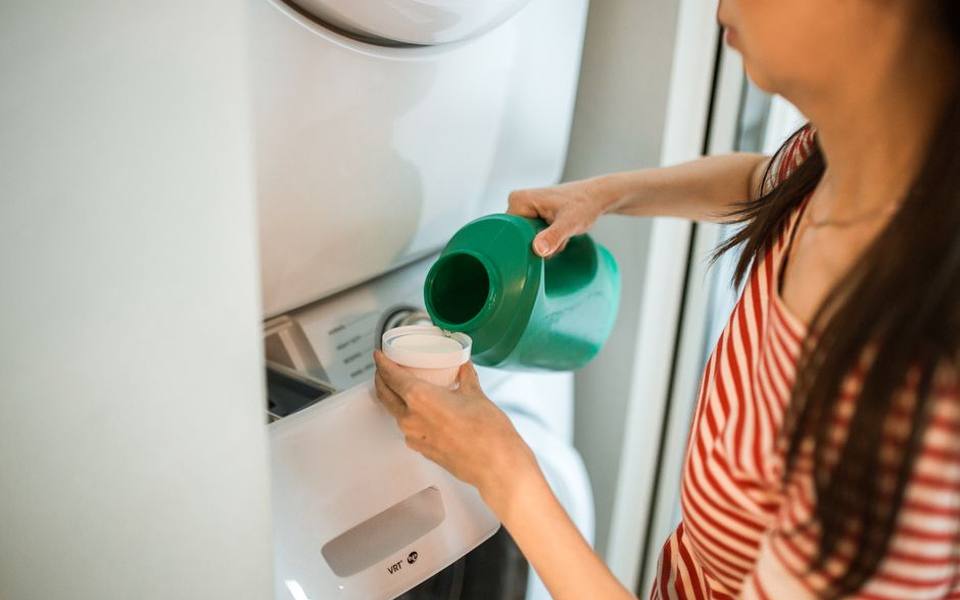
On the other hand, a perfume free washing powder offers unique benefits, particularly if you tackle heavily soiled linens or cloth diapers. Powders typically maintain higher stability for bleaching agents like sodium percarbonate, which breaks down organic stains without synthetic perfumes. However, scent free washing powder requires adequate water temperature to dissolve thoroughly. If you run short, cold cycles with concentrated powders, microscopic grains can remain trapped in dense fabrics, leading to mechanical friction and localized chemical irritation against the skin throughout the day.
If you prefer an unscented washing powder for budget reasons or cardboard packaging preferences, you can prevent residue by dissolving the measured scoop in warm water first. Pouring this dissolved solution directly into the tub before adding clothes prevents clumping. Whether you opt for an unscented washing liquid or dry crystals, measuring precise quantities protects both your skin and clothing fibers. Overdosing any detergent format creates excess suds that trap soil and allergens rather than washing them cleanly away.
What Makes a Detergent Truly Hypoallergenic
A genuinely hypoallergenic detergent eliminates not just perfumes, but also optical brighteners, harsh preservatives, and synthetic dyes. Optical brightening agents are fluorescent chemical compounds that coat fabric surfaces to reflect blue light, making whites look artificially brighter under daylight. Because these compounds are engineered specifically to remain embedded in textiles after rinsing, they stay in constant direct contact with your epidermis. For people dealing with severe eczema or hives, prolonged exposure to optical brighteners can cause chronic inflammation.
Preservatives are another hidden culprit in liquid cleansers. Formulations containing methylisothiazolinone or related isothiazolinone compounds keep liquid detergents shelf-stable by preventing bacterial growth in water-based jugs. However, these specific preservatives are widely recognized by dermatologists as potent skin sensitizers. When reviewing a fragrance free clothes detergent, look for formulations that avoid harsh biocides in favor of milder preservative systems or switch toward stable dry powders that naturally require fewer antimicrobial additives to remain fresh.
Enzyme content also plays a role in fabric gentleness. Protease and amylase enzymes are remarkably effective at digesting protein stains and starch spills without requiring high water heat. Most individuals tolerate enzymatic cleaners without issue, but people with ultra-delicate skin barriers or baby garments may occasionally experience minor prickling. If standard sensitive skin formulas still produce discomfort, switching to a completely enzyme-free, perfume free washing liquid can help pinpoint whether biological cleaning agents are contributing to your skin flare-ups.
Navigating Everyday Free and Clear Laundry Options
Walk down any supermarket aisle and you will notice prominent free and clear product lines, which have become the benchmark standard for family laundry. Mainstream manufacturers developed these product variations by taking their core, proven surfactant packages and removing dyes, perfumes, and heavy scent boosters. Formulas like all free & clear provide reliable stain-lifting chemistry while keeping fabric free of irritating fragrance residues. These products are readily available at grocery stores, pharmacies, and bulk retail outlets across the country.
One significant benefit of widely available free and clear brands is their consistent performance in hard water conditions. Many natural or artisanal soap flakes react with mineral-rich tap water to form insoluble soap scum that clings tenaciously to cotton fibers. In contrast, an unscented washing detergent engineered by an established manufacturer contains water-conditioning chelating agents. These chelators bind calcium and magnesium ions, ensuring the surfactants clean clothes effectively and rinse away cleanly rather than leaving a stiff, irritating film across your shirts.
Price stability makes conventional clear detergents practical for ongoing household use. Dermatological care can become expensive quickly, but standard fragrance-free lines typically cost about the same per load as their scented counterparts. You do not need to purchase specialized boutique medical cleansers to achieve relief from itchy seams. Using a trusted unscented washing liquid that has earned approval seals from national eczema and asthma associations ensures both reliable cleaning power and dermatological peace of mind on a sensible budget.
Powder Formulations for Deep Cleaning Sensitive Wardrobes
When working with heavily soiled workout gear, work overalls, or bed linens, finding an effective fragrance free washing powder is a major priority. High-performance powders frequently feature sodium carbonate, sodium silicate, and oxygen-based cleaning boosters that strip body oils and grime out of fabric threads. Scented detergents often rely on synthetic musk to mask lingering perspiration odors in activewear. A well-formulated, perfume free washing powder actually breaks down the underlying fatty acids, removing the odor at its chemical source rather than hiding it behind floral notes.
Using scent free washing powder effectively in modern high-efficiency machines requires attention to dispenser drawers. In some front-load units, damp dispenser trays can cause dry powders to cake into a gummy block, preventing the detergent from entering the wash chamber at the correct cycle stage. To prevent this, ensure the drawer is completely dry before adding your measured powder, or place the detergent directly into the bottom of the drum before loading your clothes if the machine manufacturer manual permits.
For households washing cloth diapers or microfiber towels, powder detergents are often the preferred choice among textile experts. Many liquid detergents contain natural oils or synthetic polymers that can gradually coat synthetic yarns, reducing fabric absorbency and trapping bacterial waste over time. A clean-rinsing unscented washing powder cleans the fabric core without leaving water-repellent residues. This keeps cloth diapers soft, breathable, and completely non-irritating against sensitive infant skin through dozens of repeat washings.
Managing Sensitive Skin Needs at Public Laundromats
Washing clothes in shared commercial facilities presents unique challenges for anyone sensitive to artificial scents and heavy detergents. Previous customers frequently use heavily fragranced laundry pods, liquid softeners, or chlorinated bleach before you load your garments. When using self-service laundromats, taking a few minutes to inspect the wash drum can prevent unwanted chemical transfer. Look closely at the rubber door gasket on front loaders, where scented liquid softener and detergent residue often pool in the folds.
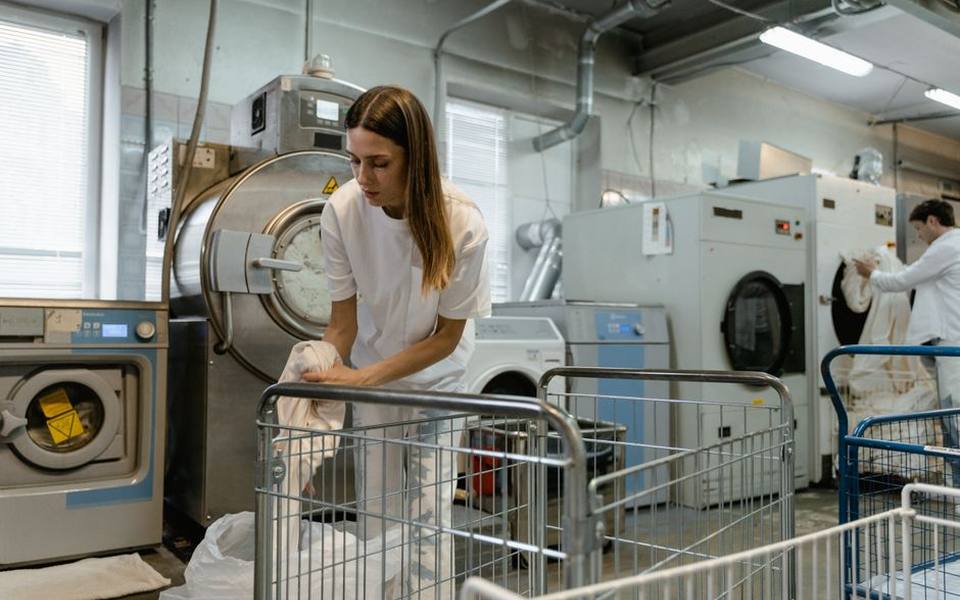
A simple defensive step before running your load is executing a quick flush cycle if the machine allows, or running your cycle on hot water with an empty tub first. Alternatively, wipe the glass door, metal drum, and dispensing compartment thoroughly with a damp microfiber cloth before adding your clothes. Selecting laundromats with large-capacity machines gives your clothes more physical room to tumble freely, which improves water circulation and ensures your perfume free washing liquid flushes thoroughly out of thick blankets and bulky garments.
Selecting an extra rinse cycle on commercial washers is one of the most effective ways to protect sensitive skin. Commercial extract cycles spin at high velocities, pulling moisture and dissolved detergents out through drum perforations. By pairing a quality fragrance free washing detergent with an additional cold water rinse, you eliminate virtually all lingering soap traces from previous cycles as well as your own cleaning agents, ensuring your wardrobe leaves the facility thoroughly neutral and irritation-free.
Replacing Dryer Sheets and Fabric Softeners
While finding the right fragrance free clothes detergent is essential, your post-wash routine is equally important for avoiding flare-ups. Traditional liquid fabric softeners and scented dryer sheets work by depositing a thin, waxy coating of quaternary ammonium compounds over fabric fibers. This coating makes towels feel silky and reduces static, but it traps skin-irritating chemicals against your body 24 hours a day. For people with reactive skin, eliminating traditional dryer sheets often produces faster relief than changing wash detergents.
If static cling and fabric stiffness are persistent problems, safe hypoallergenic alternatives exist. Pure New Zealand wool dryer balls provide natural softening action by bouncing between garments in the dryer, creating air pockets that speed up drying times and separate clingy fabrics. They contain zero synthetic perfumes, petroleum oils, or dyes. If you have a diagnosed severe wool allergy, silicone dryer balls or clean tennis balls offer the exact same mechanical softening benefits without any biological materials involved.
In the rinse cycle itself, household distilled white vinegar serves as an outstanding natural fabric conditioner. Adding a half cup of plain white vinegar to the fabric softener dispenser neutralizes alkaline detergent residues, strips away hard water mineral buildup, and relaxes natural cotton fibers. The faint vinegar scent dissipates completely as the clothes dry, leaving garments soft, odorless, and completely free of waxy films that could otherwise cause contact dermatitis or trap trapped sweat against your skin.
Correct Dosing and Preventing Detergent Buildup
More soap does not equal cleaner clothes, especially when managing sensitive skin conditions. Overdosing an unscented washing detergent is one of the most common mistakes laundry owners make. Modern high-efficiency washers use remarkably little water compared to vintage top-load models. When you pour detergent past the recommended level, the limited rinse water cannot dissolve and flush the resulting foam. The residual surfactant dries directly into your clothes, creating a stiff, scratchy texture that rubs against sensitive skin with every step.
For most standard wash loads, using just one to two tablespoons of a concentrated perfume free washing liquid is plenty to lift dirt and suspended oils. Detergent measuring caps are notoriously difficult to read and often suggest lines calibrated for massive, heavily soiled loads. Using a standard measuring spoon or carefully marking the true two-tablespoon line on your cap with permanent marker prevents accidental overdosing. This practice also extends the life of your detergent jug and saves money over time.
If your clothes feel stiff or develop a faint stale scent despite using a scent free washing liquid, your fabrics may suffer from detergent buildup. To reset your wardrobe, run a full cycle with hot water and no detergent whatsoever, adding one cup of white vinegar to the drum. Watch the viewing window during the wash cycle; if you see foamy suds appear in plain water, your clothes are releasing trapped detergent residues that have accumulated over months of over-pouring.
Professional Wash Services for Sensitive Skin Households
If you utilize commercial cleaning or off-site laundry options, maintaining a hypoallergenic routine requires clear communication. When outsourcing your weekly laundry to wash-and-fold laundromats, always inquire about their detergent choices before dropping off your bags. Many professional processing facilities default to commercial-grade detergents scented with heavy citrus or floral perfumes. Reputable laundry providers typically keep a bottle of scent free washing detergent on hand for customers with declared skin allergies or sensory sensitivities.
If you use laundromats with pickup and delivery, include explicit instructions in your profile notes or order ticket specifying no scented detergents, no fabric softeners, and no dryer sheets. Many services allow customers to supply their own preferred perfume free washing powder or liquid in a labeled container. Professional attendants are accustomed to accommodating hypoallergenic requests, especially for households with newborns, elderly family members, or individuals managing eczema and chronic psoriasis.
Facilities staffed by on-site professionals can also manage specific washing parameters that protect delicate skin. Visiting attended laundromats gives you direct access to workers who understand machine sanitization protocols and cycle settings. If you have concerns about cross-contamination from commercial chemicals used in previous cycles, an attendant can recommend the cleanest machines or advise you on which washers have recently run rinse cycles, ensuring your sensitive wardrobe remains completely protected.
Special Considerations for Baby Clothes and Flare-Up Management
Infant skin is up to thirty percent thinner than adult skin, making babies extraordinarily vulnerable to chemical absorption and friction rashes. When laundering baby garments, cloth bibs, and crib sheets, using a fragrance free washing detergent is a fundamental pediatric recommendation. Specialized baby detergents sold in stores are ironically often heavily scented with powdery floral fragrances that can trigger infant eczema. Sticking to a basic, dye-free, unscented clothes detergent designed for the whole family is safer and far more economical.
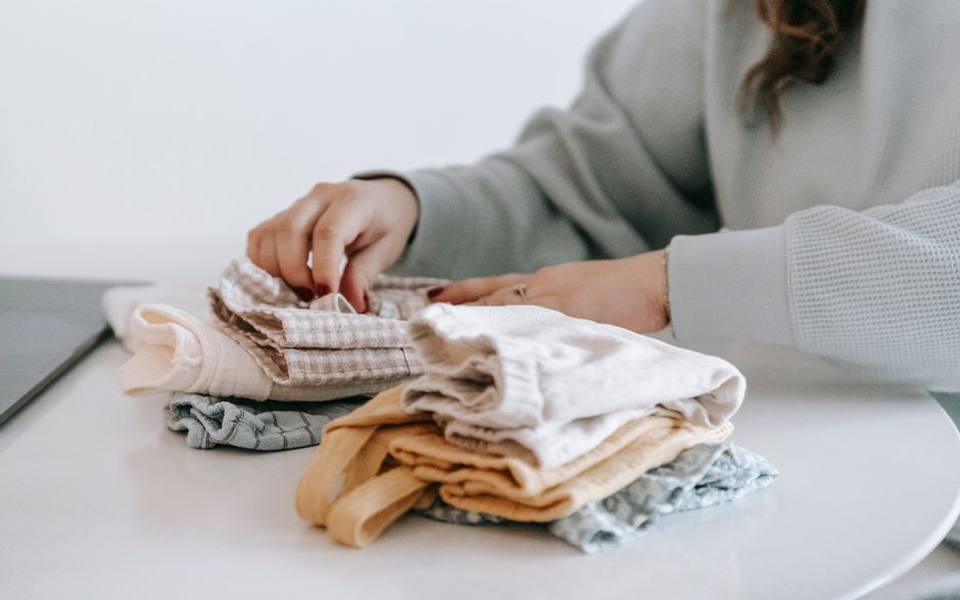
When treating stubborn baby stains like formula, spit-up, or mashed fruit, avoid scented spray-on stain lifters. Instead, soak the soiled garment promptly in cool water with a small amount of perfume free washing liquid, gently working the liquid into the fibers with your fingers or a soft baby brush. Oxygen-based bleaching powders that contain no fragrance can be used to treat stubborn discoloration safely, providing effective stain removal without leaving abrasive chemical traces behind in the knit fabric.
For adults managing an active flare-up of contact dermatitis or psoriasis, clothing material matters as much as the wash formulation. Wash 100% organic cotton, bamboo, or silk garments in lukewarm water using an unscented washing powder that dissolves cleanly. Avoid washing rough denim or synthetic athletic fabrics in the same cycle as soft base layers, as rough fabrics can create micro-abrasions in delicate garments that further aggravate sensitive skin during wear. Always double-rinse active flare-up garments to ensure absolute purity.
Published 2026-09-24 · reviewed with each rebuild, last October 2026.
Find laundromats near you
The directory lists 26,375 laundromats by state and city — pick your state or use the “Near me” button in the header.
More guides
-
 Service
How to Clean Leather and Suede Jackets at Home
-
 Owning
How to Wash Baseball Caps Without Ruining Their Shape
-
 Safety
How to Safely Wash and Dry Electric Blankets
-
 Money
MoneyHow Much Does a Laundromat Cost: Per-Load Rates and Price Breakdown
-
 Money
MoneyDry Cleaning and Tailoring Cost Guide: Pricing for Everyday Garments and Alterations
-
 Owning
How to Clean and Wash a Sleeping Bag Safely
-
 Owning
How to Clean Leather and Suede Jackets at Home
-
 Owning
How to Machine Wash Shower Curtains and Bath Mats
-
 Owning
How to Remove Tough Stains and Odors: Rust, Sweat, Smoke, and Mildew
-
 Buying
Best Top-Load Washing Machines: Types, Features, and Buying Guide
-
 Buying
Washing Machine Comparison: LG, Speed Queen, Maytag, Samsung, and GE
-
 Buying
Front-Load Washers and Stackable Dryer Sets: Brand Comparisons and Buying Guide
-
 Owning
How to Apply Clothing Patches: Iron-On vs. Sew-On Methods for Denim, Jackets, and Bags
-
 Service
Complete Guide to Suit Tailoring and Wedding Dress Alterations
-
 Buying
How to Buy a Laundromat: Equipment Assessment, Valuation, and Setup