How Front-Load Washers Compare to Traditional Top Loaders
Front-load washers clean laundry by gently tumbling garments through a shallow pool of water and detergent rather than beating them against a central agitator. By lifting clothes to the top of the horizontal drum and dropping them back down with gravity, the tumbling motion forces soapy water through fabric weaves without stretching seams, twisting sleeves, or pulling delicate knits. This core mechanical difference provides a noticeably deeper clean while causing significantly less fabric abrasion over the entire lifespan of your wardrobe.
Resource consumption is another primary reason homeowners switch to a horizontal-axis machine. A front loader typically uses about half the water of a standard top-loading unit with a pole agitator, which translates directly to lower utility bills and reduced strain on private septic systems. Because the drum does not need to fill completely to submerge the wash load, your water heater expends substantially less energy preparing hot or warm cycles, which can trim household electric or natural gas demands every month.
Spin efficiency provides a third major performance distinction. Most front-loading drums spin at twelve hundred to thirteen hundred revolutions per minute, compared to traditional units that often top out near seven hundred revolutions per minute. This high rotational velocity uses centrifugal force to squeeze significantly more moisture out of heavy towels and denim before the cycle ends. Consequently, your dryer requires far less run time and heat to finish the load, saving both power and wear on your dryer elements.
Evaluating Stackable Washer and Dryer Configurations
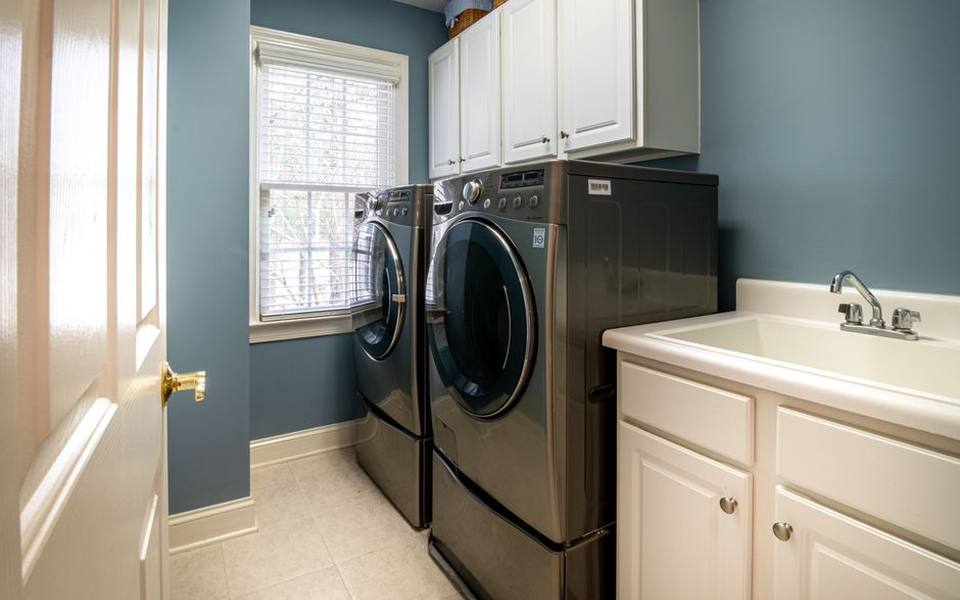
Investing in a matched front load washer and dryer set gives you the practical freedom to arrange equipment side by side or vertically in a single stacked column. Stacking turns two bulky horizontal footprints into one compact footprint roughly twenty-seven inches wide by thirty-two to thirty-four inches deep, freeing up floor space for folding tables, sorting hampers, or additional utility storage. This flexibility proves essential in condominiums, converted closet spaces, and older urban homes where square footage remains tight.
Executing a stable stacked installation requires an official brand-specific stacking kit rather than improvising with universal brackets. These kits typically feature steel support rails, vibration-dampening pads, and locking screws engineered specifically to anchor the lighter dryer onto the heavy, counterweighted washing machine base. Skipping this hardware or using mismatched pieces risks dangerous shifting during high-speed extraction cycles, especially if floor joists underneath have slight natural flex.
Ergonomics change noticeably when units are stacked. The washing machine door sits low to the floor, meaning individuals with back or knee limitations may need to bend deeply during loading and unloading. Conversely, the dryer drum and controls end up closer to eye level, which makes transferring wet laundry upward straightforward but may leave upper dials slightly high for shorter family members. Some modern manufacturers solve this by adding unified control panels on the lower unit that can operate both appliances.
LG Front-Load Washers and Stacking Capabilities
An LG front load washer remains one of the most frequently considered options on the market due to its direct-drive motor engineering. By mounting the motor directly to the center of the drum shaft instead of using rubber drive belts and pulleys, the system eliminates several common mechanical wear points. This configuration produces less mechanical friction, operates with low motor hum, and allows the drum to execute complex tumbling patterns tailored to distinct fabric weights and soil levels.
Operating an LG front door washing machine in a tight closet or laundry passage requires close attention to the door swing radius. The thick glass porthole door swings out wide to give uninhibited access to the cavernous stainless steel drum, but the door hinges are generally fixed on the left and cannot be reversed. Ensuring your surrounding walls, entry doorframes, and adjacent shelving do not block the door arc is critical before scheduling delivery.
Vibration dampening in these units relies on internal balance sensors and heavy-duty suspension springs that rapidly adjust drum motion if wet clothing clumps unevenly. For families installing laundry gear on second floors or above crawlspaces, this active stabilization prevents the shaking and rhythmic thumping that older horizontal machines were known for during high-speed spins, keeping structural noise contained within the laundry room.
Samsung Front-Load Washers: Daily Use and Features
Choosing a Samsung front load washing machine often comes down to advanced cycle automation, aesthetic styling, and digital integration. These appliances generally incorporate shallow-depth cabinet profiles that fit shallower laundry closets without sacrificing standard drum capacities. Their interfaces prioritize capacitive touch controls and clear digital status displays, letting users dial in specific temperature levels, soil adjustments, and rinse counts with precise feedback on projected cycle duration.
Everyday reliability on a Samsung front load washer depends heavily on correct leveling and consistent drum balancing. The internal balance rings use specialized liquid ball-bearing assemblies to offset unbalanced laundry loads during initial acceleration. If the machine's adjustable rubber leveling feet are not firmly locked against the floor with locknuts tightened, those dampening systems work twice as hard, which can trigger error codes or pause the cycle while the drum attempts to redistribute garments.
Smart network connectivity on these appliances provides practical alerts rather than just novelty. Homeowners can receive push notifications on mobile phones or smart television displays when a wash cycle finishes, preventing wet clothes from sitting forgotten in the sealed drum all afternoon. Certain models can also communicate cycle selections directly to their stacked dryer mate, automatically setting optimal drying temperatures without requiring manual dryer configuration.
General Electric Front-Load Washers and Moisture Management
Historically, the chief complaint regarding horizontal-axis washers was musty odor caused by residual water pooled behind the rubber door gasket. A General Electric front load washer addresses this head-on with an integrated venting cycle that circulates fresh ambient air through the closed drum after the wash cycle ends. By pulling in room air and evaporating standing water from the door boot, the system keeps the internal environment dry and eliminates the odor-causing bacteria common to earlier designs.
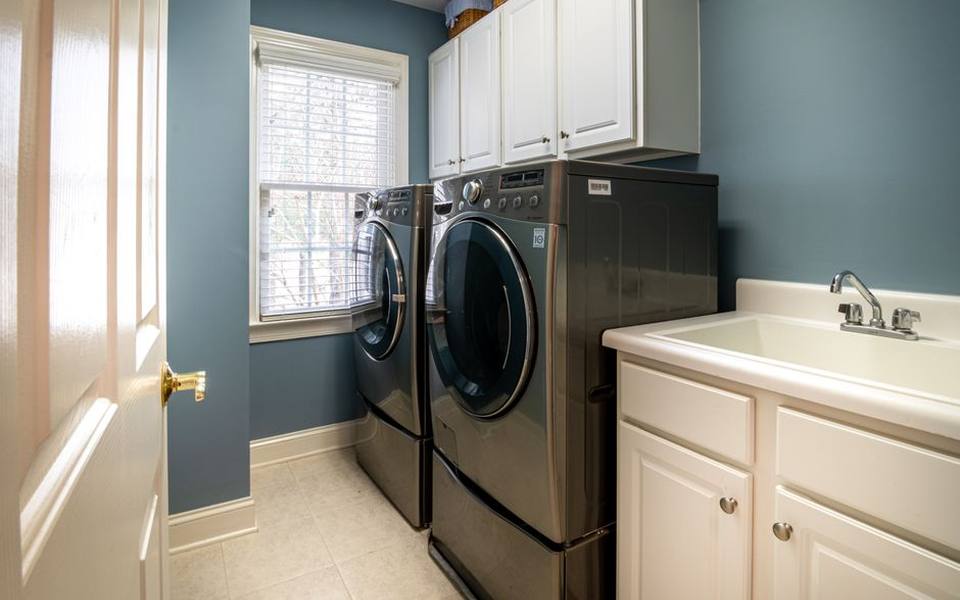
Selecting a GE washing machine front load also delivers useful spatial versatility because several models feature fully reversible doors. Most competitors build front loaders with fixed left-hinged doors, which can cause frustrating access bottlenecks if your laundry plumbing forces the washer to sit on the right side of the dryer. Being able to swap hinge pins and latches allows you to open both doors away from each other for a natural transfer path.
Heavy-duty capacity makes a front loading GE washing machine well suited for bustling households that wash dense denim, athletic uniforms, and layered bedding. The tubs are sized to swallow broad laundry bundles without binding, and antimicrobial materials embedded directly into the door gasket, drain pump hoses, and soap dispenser drawer prevent mildew growth from gaining a foothold in out-of-reach internal piping.
Whirlpool Front-Load Washers: Serviceability and Practical Design
A Whirlpool front load washing machine appeals strongly to homeowners who prioritize widespread technician familiarity and uncomplicated replacement parts availability. Because this manufacturer maintains extensive domestic distribution networks, replacement water valves, door switches, and drain pumps can be sourced rapidly in virtually any region of the country, avoiding weeks-long delays when unexpected maintenance issues arise down the road.
Practical convenience defines the user experience on a Whirlpool front load washer, particularly on units equipped with bulk liquid dispensers. These reservoir cartridges hold enough laundry detergent and fabric conditioner for dozens of consecutive wash loads, automatically metering out the exact fluid ounces needed based on load mass and selected cycle intensity. This stops family members from overdosing soap, which is a leading cause of soap scum buildup and pump motor strain.
Mechanical construction leans toward straightforward utilitarian performance. While cycle times can sometimes run slightly longer on eco-optimized settings, soil removal on cottons and synthetics is consistently dependable. The external chassis design emphasizes clean lines and standard dimensions, allowing these machines to fit easily into existing cabinetry cutouts that housed older appliances without requiring costly millwork modifications.
Dimensions, Clearances, and Floor Requirements
Selecting any front loader requires measurements that account for more than just external width. While standard units measure roughly twenty-seven inches across, their depths often range between thirty-one and thirty-four inches. When planning closet installations, you must add at least four to six inches of rear clearance to accommodate hot and cold fill hoses, the drain standpipe, and dryer venting ducts, along with an inch of clearance along the sides to prevent cabinet rattling.
Subfloor integrity is paramount for horizontal-axis washing equipment. Unlike top loaders that spin vertically, front-loading drums generate dynamic horizontal forces as clothes tumble and accelerate. If your laundry room sits on an upper level over wide floor joists without sufficient cross-bracing, that movement can resonate through the home framing. Reinforcing subfloors with three-quarter-inch plywood or choosing lower spin settings helps keep operation quiet and stable.
Utility connections must also match equipment specifications. Electric dryers paired in these sets typically demand a dedicated 240-volt circuit with thirty-amp service, whereas the washing machine operates on a dedicated 120-volt, fifteen-amp line. Drainage standpipes must stand between thirty-six and ninety-six inches above the finished floor to prevent accidental siphoning, ensuring dirty wash water discharges properly without backing up into the machine basin.
Preventing Gasket Odor and Performing Basic Care
Every front loader uses a thick, flexible rubber gasket around the door perimeter to create a leakproof seal against high-speed water jets. Because this gasket contains deep folds and drain holes to collect stray droplets, hair, lint, and residual fabric softener can accumulate in the crevice over time. Wiping this seal dry with a clean microfiber towel once a week keeps organic residue from decaying against the rubber surface.
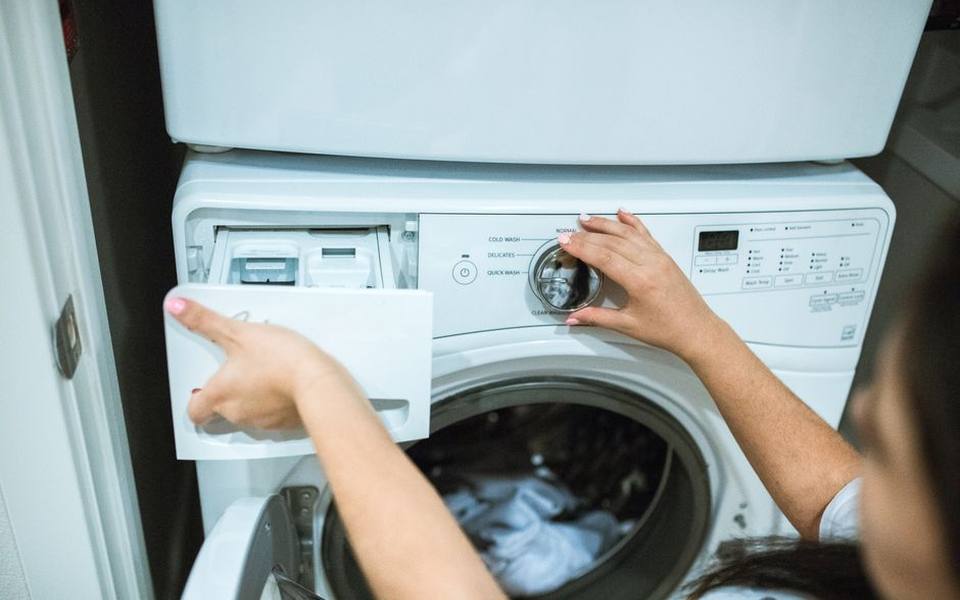
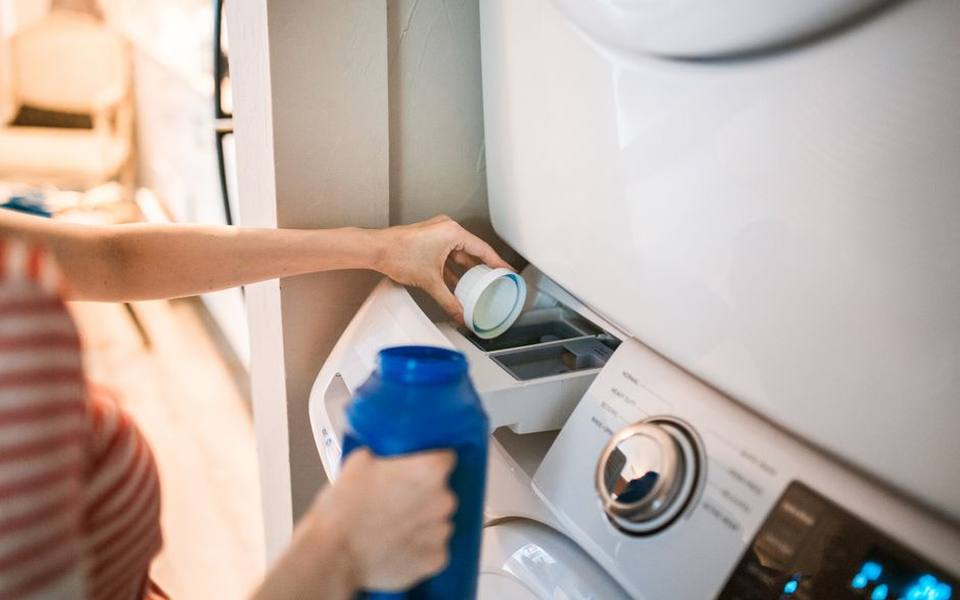
Detergent dosing directly dictates tub hygiene. Horizontal machines require high-efficiency low-suds detergent formulas, marked with an HE symbol. Using standard high-sudsing soap or pouring in twice as much liquid as directed coats internal drum surfaces and drain pipes with a sticky film that traps bacteria. In most water hardness conditions, two level tablespoons of concentrated detergent clean an entire normal load thoroughly without leaving residue behind.
Running a monthly self-clean cycle using plain hot water and washing machine cleaner tablets or oxygen bleach clears internal buildup from hidden drum baffles. Additionally, homeowners should check the coin trap or pump debris filter, usually located behind an access panel at the lower front of the cabinet, every few months. Clearing captured safety pins, buttons, and coins protects the drain pump impeller from jamming or cracking.
Managing Heavy Bulky Items and Laundry Downtime
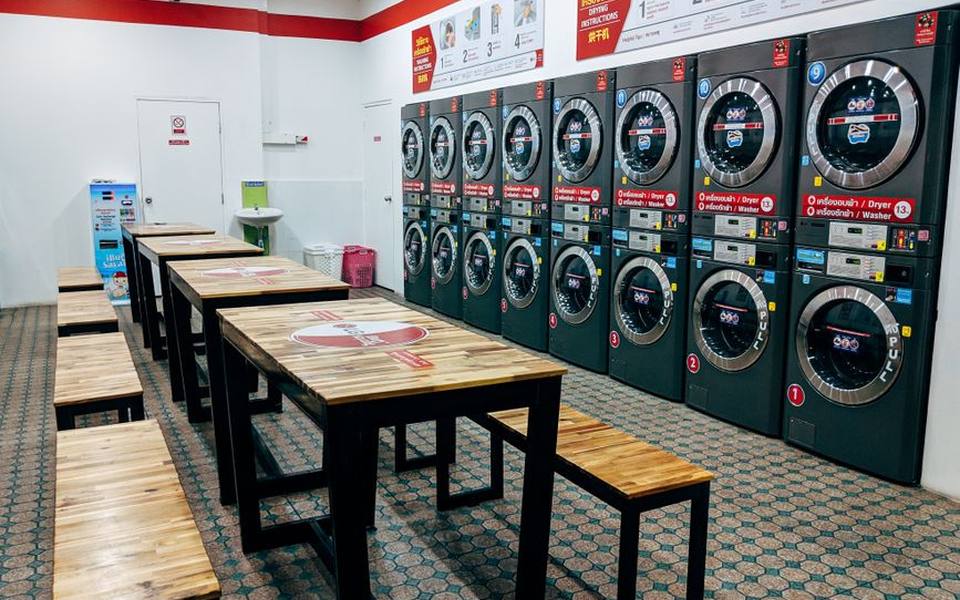
Even spacious residential front loaders encounter physical limits when handling oversized king-size down comforters, heavy sleeping bags, or bulky shop drop cloths. Cramming an enormous comforter into a standard drum prevents water from saturating the fill evenly and strains suspension dampeners during spinning. Visiting laundromats with large-capacity machines allows you to wash these massive household textiles in sixty-pound or eighty-pound commercial drums without risking home equipment damage.
During major home renovations, delivery delays, or appliance repairs, using local self-service laundromats keeps household wardrobes manageable. Modern facilities frequently offer high-speed commercial extractors that process a week worth of laundry in forty-five minutes. Many customers prefer visiting card-operated laundromats where loyalty cards or mobile apps eliminate the need to track down rolls of quarters.
When unexpected mechanical breakdowns leave you without a working washer for an extended period, relying on drop-off wash-and-fold services offers a stress-free bridge until replacement parts arrive or a new set is installed. Commercial attendants wash, dry, and neatly wrap your clothing by the pound, ensuring work uniforms and children's school clothes stay pristine while your home setup gets sorted out.
Long-Term Cost Factors and Final Purchasing Advice
Evaluating the true cost of a front-load washer and dryer combination requires looking past the purchase price tags. Because front loaders consume substantially less heated water, their ongoing utility savings can offset part of the initial retail premium over five to ten years of ownership. Factoring in reduced fabric wear and shortened dryer cycle durations further enhances long-term household value.
Accessory costs should be factored into your upfront renovation or purchasing budget. Stacking hardware kits, heavy-duty braided stainless steel fill hoses, silicone anti-vibration foot pads, and optional raised pedestals can add several hundred dollars to the bottom line. Pedestals elevate machines by twelve to fifteen inches to minimize bending, but they cannot be used under stacked columns, meaning you must choose between vertical storage and elevated ergonomics.
Before finalizing a purchase, verify that authorized service technicians operate within your immediate zip code. Even the most highly rated appliance brand can suffer a faulty solenoid valve or worn drain pump over a decade of heavy family use. Choosing a brand supported by seasoned regional service networks guarantees that routine maintenance and minor mechanical repairs remain hassle-free throughout the machine lifespan.
Published 2026-09-23 · reviewed with each rebuild, last October 2026.
Find laundromats near you
The directory lists 26,375 laundromats by state and city — pick your state or use the “Near me” button in the header.
More guides
-
 Service
How to Clean Leather and Suede Jackets at Home
-
 Owning
How to Wash Baseball Caps Without Ruining Their Shape
-
 Safety
How to Safely Wash and Dry Electric Blankets
-
 Money
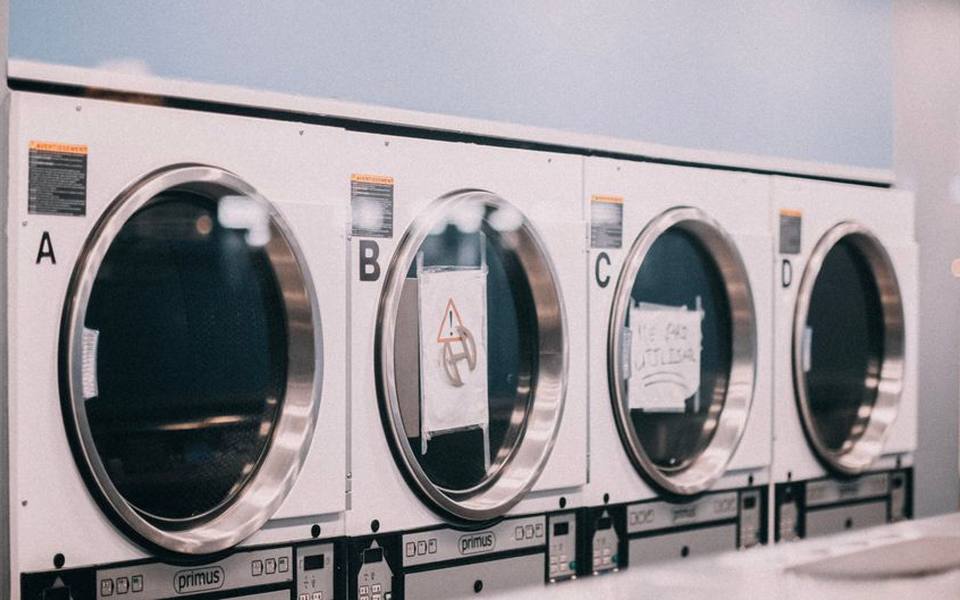
MoneyHow Much Does a Laundromat Cost: Per-Load Rates and Price Breakdown
-
 Money
MoneyDry Cleaning and Tailoring Cost Guide: Pricing for Everyday Garments and Alterations
-
 Owning
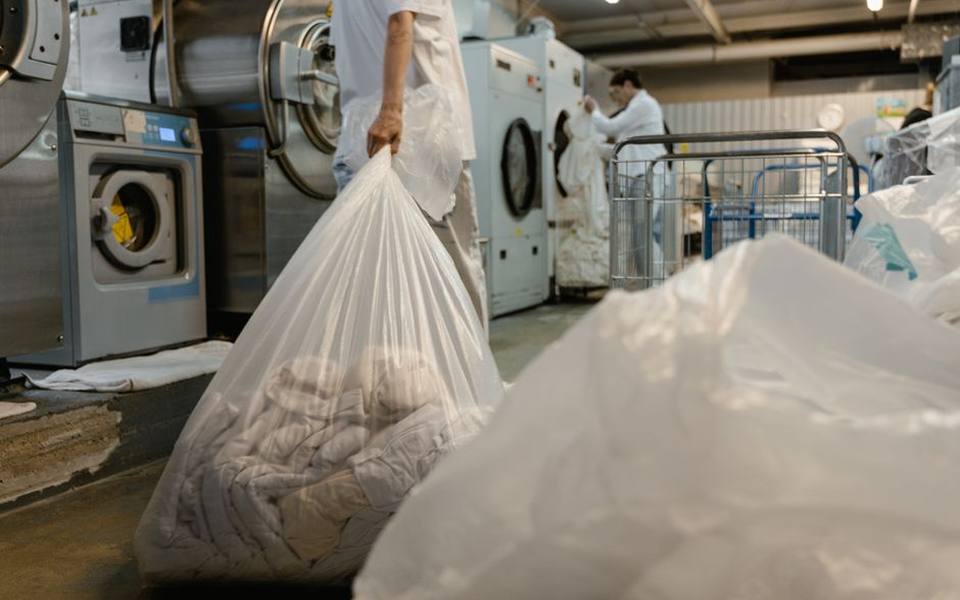
How to Clean and Wash a Sleeping Bag Safely
-
 Owning
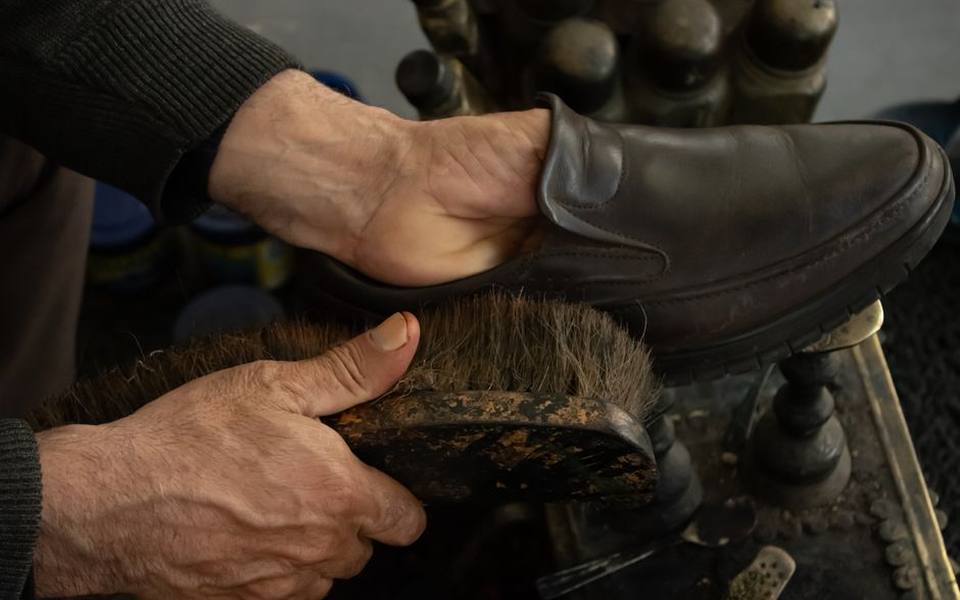
How to Clean Leather and Suede Jackets at Home
-
 Owning
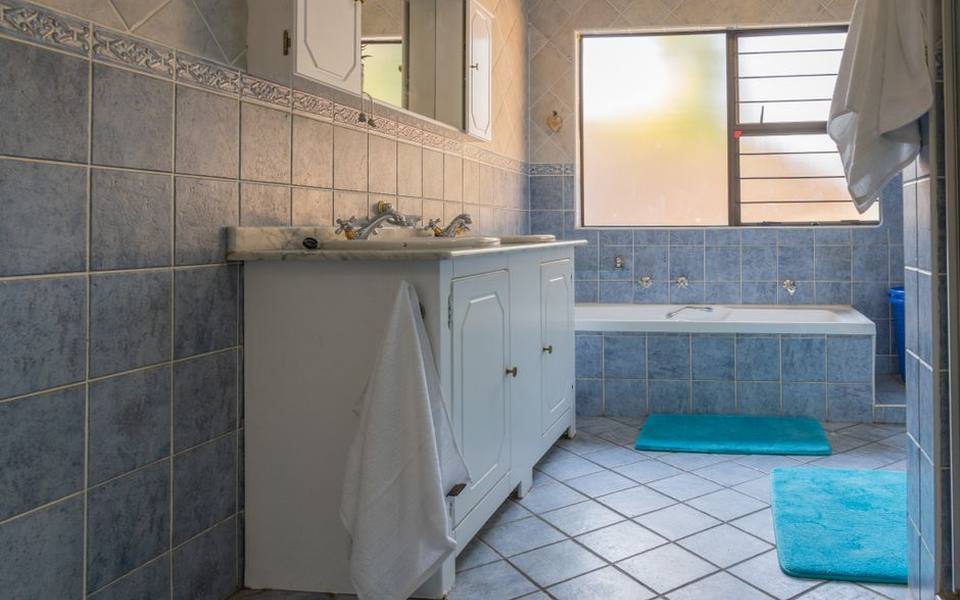
How to Machine Wash Shower Curtains and Bath Mats
-
 Owning
How to Remove Tough Stains and Odors: Rust, Sweat, Smoke, and Mildew
-
 Buying
Best Top-Load Washing Machines: Types, Features, and Buying Guide
-
 Buying
Washing Machine Comparison: LG, Speed Queen, Maytag, Samsung, and GE
-
 Owning
How to Apply Clothing Patches: Iron-On vs. Sew-On Methods for Denim, Jackets, and Bags
-
 Safety
Best Fragrance-Free and Unscented Laundry Detergents for Sensitive Skin
-
 Service
Complete Guide to Suit Tailoring and Wedding Dress Alterations
-
 Buying
How to Buy a Laundromat: Equipment Assessment, Valuation, and Setup